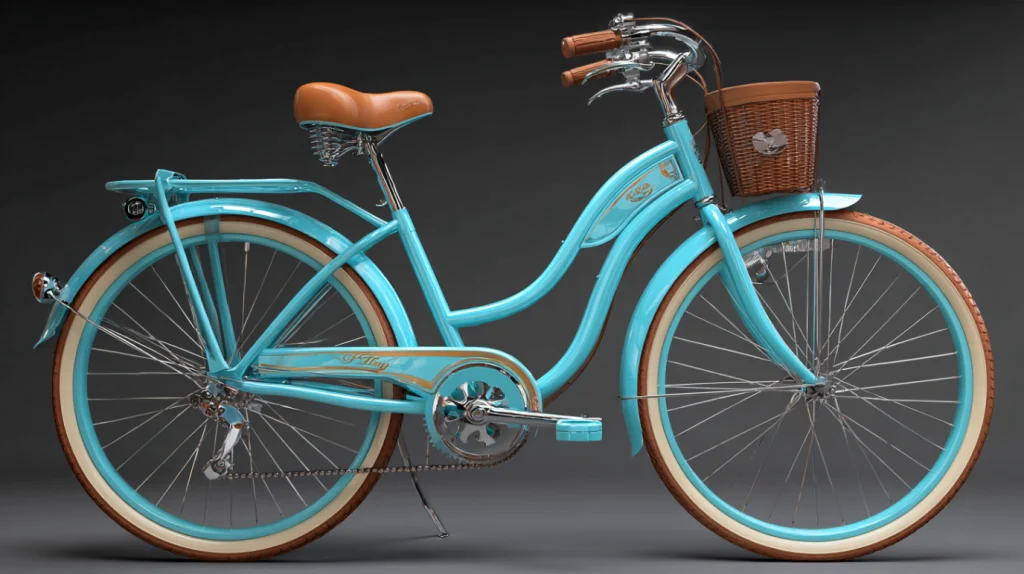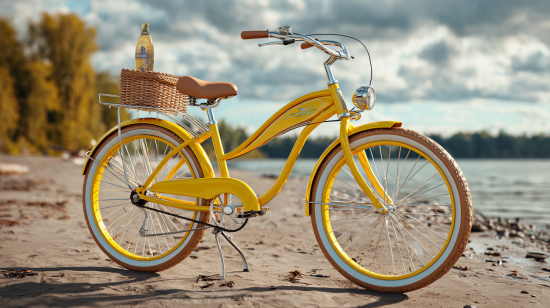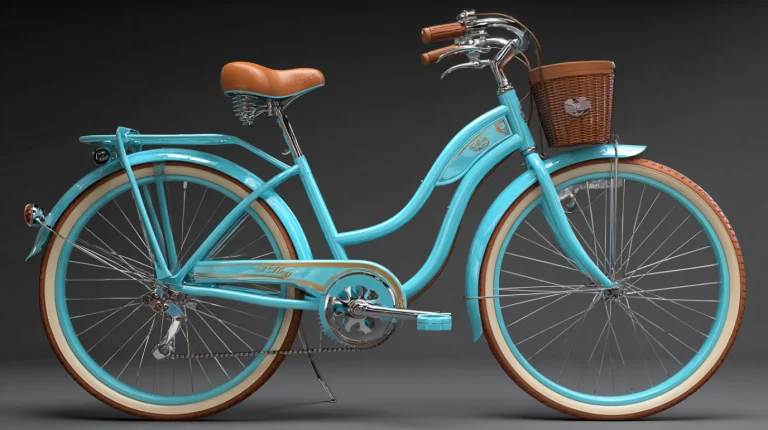
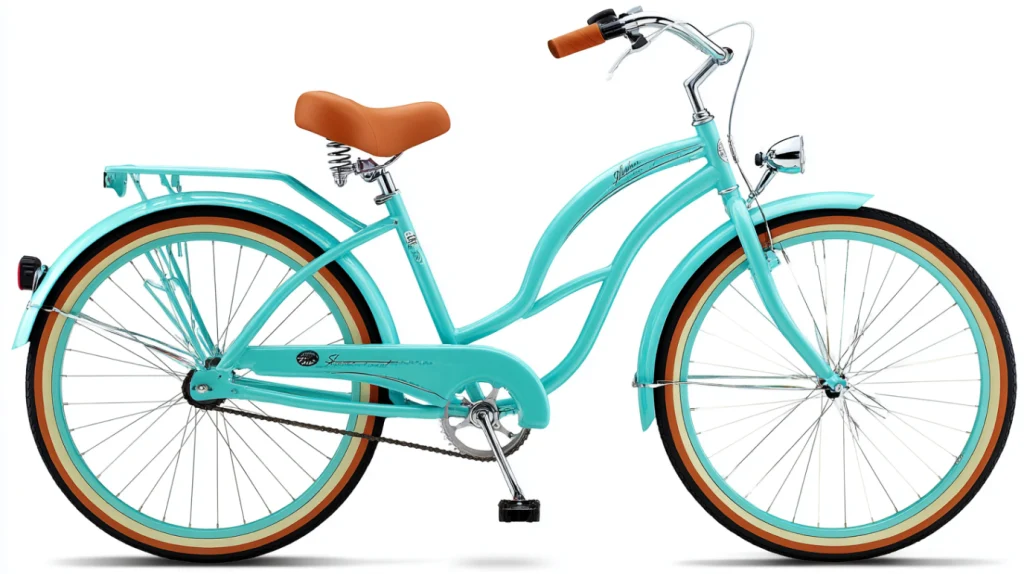


Schwinn Cruiser Bike, 26 Inch Bike for Women and Men, Beach Cruiser Bicycle, Linear Pull Brakes, Comfortable Padded Seat, Upright Riding Position, Adult Bicycle
- Cruiser bicycle is perfect for leisurely neighborhood rides, at the beach, or through town, with a frame designed to accommodate riders 5’4″ to 6’2″ in height
- Single-speed drivetrain beach hybrid cruiser bikes that are perfect for flat and easygoing trail rides, with front and rear fenders to provide all-weather protection and a classic look
- Rear coaster brake allows you to stop by simply pedaling backward, provides effortless and straightforward stopping power
- 17-inch durable steel cruiser frame and fork, 26-inch x 2.1-inch wide tires, wide and dual-spring padded cruiser seat, and classic cruiser handlebars for an upright and comfortable riding position
- Arrives partially assembled, will require tools, Philips head screwdriver, Allen wrench 4-8mm, adjustable wrench, pair of pliers with cable cutting ability
$576.08
Everything I Learned While Finding the Perfect Two-Wheeled Escape for Seaside Adventures
I’ll never forget the moment I decided I needed a beach cruiser. It was a sweltering July afternoon, and I was stuck in traffic, watching a cyclist glide effortlessly along the boardwalk with the ocean breeze in their hair. That image stuck with me for weeks until I finally decided to take the plunge. What followed was an odyssey through specifications, models, and more bicycle terminology than I ever thought I’d need to know. But here’s the thing—I became absolutely obsessed with Schwinn beach cruiser bikes, and I’m about to share everything I discovered during my deep dive into this iconic American brand.
Let me take you on this journey, because if you’re reading this, you’re probably standing exactly where I was: curious, excited, and maybe a little overwhelmed by all the choices out there.
My Introduction to the Schwinn Legacy
Before we dive into the nitty-gritty details, I want to share why Schwinn captured my attention so completely. This isn’t just another bike company churning out cookie-cutter products. Schwinn has been crafting bicycles since 1895—yes, you read that right. They’ve been perfecting the art of the ride for over a century, and their beach cruisers carry that heritage in every curve of their frames.
When I started researching Schwinn beach cruiser bikes, I quickly realized these weren’t just bicycles; they were time machines on wheels, combining vintage aesthetics with modern engineering. The swept-back handlebars, the balloon tires, the elegant frames—everything about them whispered of simpler times while delivering the reliability we expect from contemporary manufacturing.
What Are the Best Schwinn Beach Cruiser Bike Models?
This was my first real question, and honestly, it took me weeks to answer properly. The best Schwinn beach cruiser bike models vary depending on what you’re looking for, but let me break down what I discovered about the standouts.
The Schwinn Huron became my personal favorite for its classic single-speed simplicity. With its retro styling and comfortable upright riding position, it’s like riding a piece of art. The wide cruiser handlebars and dual-spring saddle make every ride feel like a vacation, even if you’re just heading to the corner store.
Then there’s the Schwinn Sanctuary, which I fell in love with for its seven-speed versatility. If you live somewhere with even modest hills (like I do), those gears become your best friend. The step-through frame design is particularly brilliant for riders who want easy mounting and dismounting—no awkward leg-swinging required.
The Schwinn Cabo caught my attention for its laid-back California vibe. This model screams boardwalk cruising with its vibrant color options and beach-ready design. I’ve seen these bikes transform grown adults into giddy teenagers, grinning from ear to ear as they cruise along the waterfront.
For those seeking something more robust, the Schwinn Meridian adult tricycle deserves mention. While technically not a traditional bike, it’s perfect for riders who want the cruiser experience with added stability. I watched my neighbor, who’s in her seventies, absolutely light up when she got hers.
How Much Does a Schwinn Beach Cruiser Bike Cost?
Let’s talk money, because this was a huge factor in my decision-making process. The cost of a Schwinn beach cruiser bike varies significantly based on the model, features, and where you purchase it, but I found the range surprisingly accessible.
Entry-level single-speed models typically start around two hundred to three hundred dollars. These are perfect starter bikes that don’t compromise on Schwinn’s quality standards. I found that the Schwinn Huron and basic Schwinn Perla models fall into this category, offering exceptional value for riders who want simplicity and style without breaking the bank.
Mid-range options with multiple speeds and enhanced features generally run between three hundred and five hundred dollars. This sweet spot gave me the most bang for my buck—models like the Schwinn Sanctuary and Schwinn Admiral provide gear options and upgraded components that make a noticeable difference in riding experience.
Premium and specialty models can climb to six hundred dollars and beyond, especially for electric-assist versions or tricycle configurations. The Schwinn Meridian adult trike, for instance, commands a higher price point due to its unique three-wheel design and stability features.
During my research, I discovered that patience pays off. Seasonal sales, especially in fall and winter, can knock significant amounts off these prices. I’ve seen deals that saved buyers thirty to forty percent during off-season clearances.
Is the Schwinn Beach Cruiser Bike Good for Casual Riding?
This question makes me smile because it’s like asking if a hammock is good for relaxing. Schwinn beach cruiser bikes are practically engineered specifically for casual riding. Everything about their design philosophy centers on comfortable, leisurely pedaling.
During my test rides, I immediately noticed how different these bikes feel compared to racing or mountain bikes. The upright seating position eliminates the hunched-over strain that makes longer rides uncomfortable on sport bikes. Your spine stays naturally aligned, your shoulders stay relaxed, and you can actually look around and enjoy your surroundings instead of staring at the pavement.
The wide, cushioned saddles on most Schwinn cruisers feel like sitting on a cloud compared to those torture devices masquerading as seats on performance bikes. I once rode my friend’s road bike and felt like I’d been sitting on a brick after twenty minutes. My Schwinn? I can cruise for hours without any discomfort.
The balloon tires—those beautifully wide, slightly knobby tires—absorb bumps and irregularities in the road surface like nothing I’d experienced before. Cracks in the pavement, small pebbles, minor obstacles—the bike just glides over them. This makes casual riding on a Schwinn beach cruiser an absolute pleasure, whether you’re on smooth boardwalks or slightly rougher coastal paths.
Where Can I Buy a Schwinn Beach Cruiser Bike Online?
When I started my purchasing journey, I wanted to explore all my options. Buying a Schwinn beach cruiser bike online offers tremendous convenience, but I learned that knowing where to look makes all the difference.
Major retailers like Amazon stock various Schwinn cruiser models, often with competitive pricing and customer reviews that proved invaluable during my research. I spent hours reading through verified buyer experiences, learning about assembly challenges, durability issues, and which models truly delivered on their promises.
Walmart’s online platform also carries an extensive Schwinn selection, frequently offering exclusive deals and bundle packages. I noticed they often include accessories like bells, baskets, or locks with certain models, which added value to the overall purchase.
Target surprised me with their curated Schwinn collection, typically focusing on the most popular models. Their website interface made comparing specifications remarkably easy, and their ship-to-store option eliminated delivery concerns.
Dick’s Sporting Goods emerged as another excellent source, particularly for more serious cyclists seeking expert guidance. Their online chat support connected me with knowledgeable staff who answered technical questions I couldn’t resolve through product descriptions alone.
The official Schwinn website itself offers direct purchasing options, and I found this reassuring for authenticity concerns. While prices sometimes ran slightly higher than third-party retailers, the confidence of buying directly from the manufacturer provided peace of mind.
I also explored specialized bike retailers like REI and local bike shop websites that ship nationally. These sources often provided superior customer service and assembly options, though at premium pricing.
Does the Schwinn Beach Cruiser Bike Come with Gears?
This question confused me initially because the answer is—it depends entirely on which model you choose. Schwinn beach cruiser bikes with gears definitely exist, but so do single-speed versions, and understanding this distinction became crucial to my decision.
Single-speed cruisers, like the classic Schwinn Huron, offer beautiful simplicity. There’s no gear shifting to think about, no derailleur to maintain, and fewer components that might require adjustment or repair. For perfectly flat terrain—think beachfront boardwalks or pancake-flat neighborhoods—single-speed bikes provide a pure, uncomplicated riding experience.
I tested a single-speed model first, and on flat ground, it felt absolutely perfect. The direct connection between pedaling and motion created this zen-like simplicity. However, the moment I encountered even a modest incline, I understood the limitations. Single-speed bikes require significantly more effort on hills, and steep grades become genuine workouts.
Multi-speed Schwinn cruisers, like the seven-speed Schwinn Sanctuary or Schwinn Cabo Deluxe, transformed my riding experience in hillier areas. The ability to shift into lower gears made climbing manageable without arriving at my destination drenched in sweat. These models typically feature either internal hub gearing or traditional derailleur systems.
Internal hub gears, which I found on some higher-end models, keep the gear mechanism protected inside the rear hub. This design requires less maintenance and works beautifully for casual riders who don’t want to fuss with adjustments. External derailleur systems offer wider gear ranges and easier repairs but need occasional tuning.
My advice? Consider your terrain carefully. If you live somewhere genuinely flat, single-speed simplicity might be perfect. If hills exist anywhere in your regular routes, those gears become worth their weight in gold.
What Is the Frame Material of Schwinn Beach Cruiser Bikes?
The frame material of Schwinn beach cruiser bikes fascinated me more than I expected. This seemingly technical detail dramatically impacts weight, durability, ride quality, and price, and understanding these differences helped me make a more informed choice.
Most Schwinn beach cruisers feature steel frames, specifically high-tensile steel. During my research, I learned that steel offers several compelling advantages for cruiser bikes. It’s incredibly durable, absorbing road vibrations naturally to create that smooth, comfortable ride cruisers are famous for. Steel frames also handle minor impacts and stresses without cracking or failing catastrophically.
The traditional swept-back cruiser frame design, regardless of material, distributes weight evenly and creates that distinctive relaxed geometry. Schwinn’s steel frames typically feature either a classic diamond design for men’s models or step-through configurations for women’s and universal models.
I discovered that steel’s main drawback is weight. My Schwinn cruiser weighs considerably more than my friend’s aluminum road bike, tipping the scales around forty to fifty pounds depending on the specific model. For beach cruising and leisurely rides, this weight becomes almost irrelevant. The bike’s momentum actually helps maintain speed once you get rolling. However, if you need to carry your bike up stairs regularly or load it onto a vehicle rack frequently, that weight becomes a legitimate consideration.
Some newer Schwinn models incorporate aluminum components to reduce weight while maintaining structural integrity. These hybrid designs balance traditional cruiser aesthetics with modern materials engineering, though they typically command higher prices.
The frame geometry matters as much as the material itself. Schwinn’s cruiser frames position riders upright with minimal forward lean, reducing strain on wrists, shoulders, and lower back. This ergonomic design proves especially important for longer rides or older riders with mobility concerns.
Are Schwinn Beach Cruiser Bikes Suitable for Beginners?
As someone who hadn’t regularly ridden a bike in over a decade when I started this journey, this question held personal significance. I can confidently say that Schwinn beach cruiser bikes are exceptionally suitable for beginners, perhaps more so than any other bicycle category I explored.
The learning curve for cruiser bikes is remarkably gentle. Unlike mountain bikes with complicated suspension systems or road bikes with drop handlebars and aggressive positioning, cruisers offer intuitive, natural operation. You sit upright, hold comfortable handlebars, and pedal—no special techniques required.
The stability of these bikes impressed me immediately. The long wheelbase and low center of gravity create inherent balance that builds confidence quickly. During my first test ride, I felt secure and controlled within minutes, a stark contrast to the wobbly uncertainty I experienced trying a friend’s racing bike.
The coaster brakes on many single-speed Schwinn cruisers work exactly like the bikes most of us rode as children—pedal backward to brake. This familiar mechanism requires zero learning for most American riders. My muscle memory activated instantly, and I never experienced that moment of panic wondering which lever controlled which brake.
For models with hand brakes, Schwinn typically uses straightforward, easy-to-squeeze brake levers that provide excellent stopping power without requiring death-grip strength. I appreciated this thoughtful design, especially compared to some bikes I tested that seemed designed for professional cyclists with vice-like hand strength.
The forgiving nature of cruiser bikes extends to riding technique. You don’t need to master weight shifting, technical maneuvering, or aggressive pedaling cadences. These bikes reward relaxed, steady pedaling with smooth, predictable forward motion. Mistakes don’t result in dramatic consequences—the bike’s inherent stability keeps you upright even during minor wobbles or uncertain moments.
Can a Schwinn Beach Cruiser Bike Be Used for Long-Distance Rides?
This question sparked considerable internal debate during my research. The honest answer is nuanced: Schwinn beach cruiser bikes can be used for long-distance rides, but with important caveats that every potential buyer should understand.
I tested this myself with increasingly ambitious rides, starting with a few miles and eventually completing a twenty-mile coastal route. Here’s what I learned through experience rather than speculation.
First, comfort over distance proved genuinely impressive. The upright riding position that feels so natural for short trips maintains that comfort remarkably well over longer distances. I never experienced the neck, shoulder, or lower back pain that plagued me during long rides on more aggressive bike geometries. The wide, cushioned saddle that seemed almost comically oversized initially became my best friend after ten miles.
However, efficiency presents the flip side of this comfort equation. Cruiser bikes aren’t designed for speed or aggressive pedaling. The relaxed geometry and heavy frames create significant wind resistance and require more energy to maintain higher speeds. When I rode alongside a friend on a road bike, they effortlessly maintained speeds that left me working considerably harder.
The single-speed models face obvious limitations for varied terrain. Hills that barely registered as challenges on my geared bike became genuine obstacles requiring significant effort on a single-speed cruiser. For long-distance rides incorporating elevation changes, multiple gears transition from luxury to necessity.
Tire choice matters enormously for distance riding. The wide balloon tires excel at comfort and shock absorption but create rolling resistance that becomes noticeable over distance. I found myself working harder to maintain speed compared to narrower, higher-pressure tires on touring bikes.
That said, I discovered that long-distance cruiser riding works beautifully when you adjust expectations. If you’re chasing speed records or efficiency metrics, choose different equipment. If you want to enjoy a relaxed, scenic ride where the journey matters more than arrival time, cruisers deliver magnificently. My twenty-mile coastal ride took significantly longer than it would have on a road bike, but I enjoyed every minute more than I would have hunched over drop handlebars.
What Are the Specifications of a Schwinn Beach Cruiser Bike?
Understanding Schwinn beach cruiser bike specifications helped me tremendously during my purchasing process, though I initially found the technical details somewhat overwhelming. Let me break down the key specifications across common models in plain English.
Frame sizes typically range from seventeen to nineteen inches for most adult models, with step-through designs offering more flexibility for riders of varying heights. I’m five-foot-eight, and the standard frame fit me perfectly, though I recommend actual test rides when possible since comfort varies individually.
Wheel diameter standardizes at twenty-six inches across most Schwinn cruiser models. This size strikes an excellent balance between stability, rollover capability, and maneuverability. The wheels typically feature aluminum rims with stainless steel spokes, combining light weight with rust resistance crucial for coastal environments.
Tire width usually measures 2.125 inches, sometimes wider on specific models. These balloon tires inflate to relatively low pressures, typically thirty to forty PSI, creating that cushioned ride quality cruisers are famous for. During my research, I learned that tire pressure dramatically affects ride quality—too low creates sluggish rolling resistance, too high sacrifices comfort.
Gear ratios vary dramatically between models. Single-speed bikes feature one fixed ratio, typically around 44:16 or similar, optimized for flat-terrain cruising. Multi-speed models offer ranges from three to seven speeds, with seven-speed models providing ratios suitable for moderate hills while maintaining comfortable top speeds.
Brake systems include both coaster brakes (pedal backward to stop) on single-speed models and hand-operated rim brakes or disc brakes on more advanced versions. I found coaster brakes perfectly adequate for casual riding, though hand brakes offer more precise control and better performance in wet conditions.
Handlebars sweep backward dramatically, typically ten to fifteen inches behind the steering axis. This design creates that iconic cruiser look while positioning hands naturally in front of the body. Most models feature soft rubber grips, and some include integrated bells or other accessories.
Weight varies significantly, ranging from approximately thirty-five pounds for lighter models to fifty-plus pounds for fully-equipped cruisers with baskets, racks, and accessories. My fully-loaded Schwinn tips the scales around forty-eight pounds, which feels substantial when lifting but barely noticeable when riding.
Are Schwinn Beach Cruiser Bikes Available in Men’s and Women’s Styles?
The evolution of Schwinn beach cruiser bikes in men’s and women’s styles reflects both traditional design conventions and modern inclusivity. What I discovered during my research challenged some assumptions I’d held about gendered bicycle design.
Traditionally, “men’s” bikes feature a horizontal top tube creating that classic diamond frame shape. This design maximizes frame strength and looks undeniably sleek, but it requires riders to swing their leg over a relatively high bar when mounting. Models like the Schwinn Admiral exemplify this traditional masculine styling.
“Women’s” bikes historically featured step-through or low-step frames, allowing riders wearing skirts or dresses to mount gracefully without the awkward leg-swing over a high top tube. The Schwinn Perla and Schwinn Sanctuary showcase this design philosophy beautifully, with dramatically lowered or absent top tubes.
However, here’s where it gets interesting—these distinctions have become increasingly irrelevant. I’m a man who deliberately chose a step-through frame model because I found mounting and dismounting easier and more convenient, especially when carrying packages or wearing work clothes. Nobody bats an eye, and the practical advantages far outweigh any outdated gender conventions.
Many current Schwinn cruiser models blur these lines entirely, offering what they call “universal” designs suitable for any rider. Color schemes have also evolved beyond pink-for-women and blue-for-men stereotypes. I’ve seen gorgeous cruisers in mint green, coral, navy blue, cream, and even matte black that transcend traditional gender marketing.
The key differences that actually matter involve fit and comfort. Women-specific models sometimes feature narrower handlebars accounting for average shoulder width differences, and saddles designed for female anatomy. However, most riders can adjust these components easily to achieve perfect personal fit regardless of the bike’s marketed gender.
My advice? Ignore the labels and focus on geometry, comfort, and aesthetic preference. Step-through frames offer convenience for everyone. Diamond frames provide classic aesthetics and maximum strength. Choose based on your needs and taste rather than outdated categorizations.
How to Assemble a Schwinn Beach Cruiser Bike?
When my Schwinn arrived in its massive cardboard box, I experienced a moment of genuine panic. Assembling a Schwinn beach cruiser bike initially seemed like a daunting mechanical challenge, but I discovered the process is far more approachable than anticipated, especially for these straightforward cruiser designs.
Most Schwinn cruisers arrive approximately seventy-five percent assembled. The frame, wheels, and drivetrain come pre-assembled, which eliminates the most complex mechanical work. What remains typically includes attaching the front wheel, handlebars, pedals, seat, and any accessories like baskets or racks.
I started by carefully unpacking everything and organizing components systematically. The instruction manual, while somewhat generic, provided clear step-by-step guidance. I laid out all parts, identified each component, and checked against the included parts list to ensure nothing was missing.
Front wheel installation proved remarkably simple. I slid the wheel into the fork dropouts, ensuring the quick-release skewer or axle nuts engaged properly. Tightening the quick-release required moderate force—enough that the wheel couldn’t wiggle but not so tight I couldn’t release it when needed. I learned that the lever should point upward or backward when closed to prevent snagging on obstacles.
Handlebar installation required slightly more attention. I loosened the stem bolts, slid the handlebars into the stem, and aligned them perpendicular to the front wheel. Getting the alignment perfect took several adjustments—I’d tighten the bolts partially, sit on the bike to check feel and alignment, then make micro-adjustments until everything felt natural. Tightening the bolts evenly in a cross-pattern prevented uneven pressure.
Pedals confused me initially because they have opposite threading—the right pedal tightens clockwise (normal), but the left pedal tightens counter-clockwise (reverse threading). This design prevents pedals from unscrewing during normal riding. I marked the pedals with tape to avoid confusion and threaded them carefully by hand before using the wrench to ensure I wasn’t cross-threading.
Seat installation involved sliding the seat post into the frame, adjusting height, and tightening the clamp. Finding correct seat height requires that your leg extends almost fully at the bottom of the pedal stroke while maintaining a slight bend at the knee. I initially set mine too low, creating uncomfortable knee stress, then adjusted upward until my riding position felt natural.
The entire assembly process took me about ninety minutes, working carefully and methodically. Someone with more mechanical experience could probably complete it in half that time. The only tools I needed were basic wrenches (usually 15mm for pedals, various sizes for other bolts) and an Allen key set, all of which Schwinn included in the box.
What Is the Best Schwinn Beach Cruiser Bike for Seniors?
This question carries special weight for me because I researched extensively to help my parents find suitable bikes for their retirement adventures. The best Schwinn beach cruiser bike for seniors balances stability, comfort, ease of use, and confidence-inspiring design.
The Schwinn Meridian Adult Tricycle emerged as the undisputed champion for seniors prioritizing stability above all else. The three-wheel design eliminates balance concerns entirely, allowing riders to stop without putting feet down or worry about tipping. My mother, who struggled with balance issues, absolutely flourished on her Meridian. The large rear basket proved perfect for grocery shopping, creating practical transportation that encouraged regular exercise.
For seniors comfortable with traditional two-wheel bikes, the Schwinn Sanctuary step-through cruiser impressed me as the ideal choice. The extremely low top tube allows mounting and dismounting without flexibility challenges or awkward leg-swinging. The seven-speed gearing system provides gentle hill-climbing options without complicated shifting patterns.
The upright riding position on Schwinn cruisers benefits senior riders tremendously. This geometry eliminates stress on wrists, reduces neck strain from looking up while hunched over, and provides excellent visibility for checking traffic and surroundings. My father, who suffers from arthritis, found the natural hand and wrist positions dramatically more comfortable than traditional bike designs.
Coaster brakes on single-speed models offer intuitive operation for seniors who learned to ride on similar childhood bikes. The muscle memory activates instantly—pedal backward to stop. However, I noticed that some seniors actually prefer hand brakes for their precise control and reduced leg stress during emergency stops. This becomes an individual preference worth testing if possible.
Seat comfort matters enormously for seniors who might experience hip or lower back sensitivity. The wide, plush saddles on Schwinn cruisers provide excellent initial comfort, though some riders benefit from aftermarket gel seats or additional padding. My mother added a gel seat cover that transformed her long rides from tolerable to genuinely enjoyable.
Lighting and visibility features deserve special attention for senior riders. While not typically included on basic models, adding front and rear lights, reflective tape, and even a bright flag creates crucial visibility for riders whose reaction times might be slightly slower than younger cyclists.
Does the Schwinn Beach Cruiser Bike Come with a Basket?
The basket question might seem minor, but I discovered it significantly impacts the practical usability of these bikes. Whether Schwinn beach cruiser bikes come with baskets varies by model, and understanding this helps set proper expectations and budget planning.
Some Schwinn models include baskets as standard equipment. The Schwinn Sanctuary often ships with an attractive woven basket mounted on the front, sized perfectly for a beach bag, small groceries, or a purse. These integrated baskets match the bike’s aesthetic beautifully, creating a cohesive, ready-to-ride package straight from the box.
The Schwinn Meridian adult tricycle typically includes a substantial rear basket as standard equipment. This basket dwarfs typical bike baskets, offering genuine cargo-carrying capability. I’ve watched my neighbor haul full grocery shopping loads, beach chairs, and even small furniture pieces in hers.
However, many Schwinn cruiser models ship without baskets, leaving riders to purchase and install them separately. Initially, this frustrated me—why not include such an obviously useful accessory? Then I realized some riders prefer the clean, minimalist aesthetic without baskets, while others want to choose specific basket styles, sizes, and mounting locations.
Adding aftermarket baskets proved easier than expected. Most Schwinn cruisers feature standard handlebar dimensions and front rack mounts compatible with widely available baskets. I installed a wire basket on my bike in about fifteen minutes using basic tools. The basket attaches with simple brackets that clamp onto the handlebars, requiring only moderate mechanical competence.
Basket mounting location matters more than I anticipated. Front-mounted baskets provide easy access and visibility but affect steering slightly when loaded heavily. Rear-mounted racks and baskets maintain normal steering feel but require stopping to access contents. I eventually added both—a small front basket for quick-access items like my phone and water bottle, plus a rear rack for heavier cargo.
Weight capacity deserves consideration. Most bike baskets handle ten to twenty pounds comfortably, though exceeding this affects bike handling. I learned this the hard way after loading my front basket with thirty pounds of groceries and experiencing wobbly, concerning steering behavior. Distributing weight between front and rear storage solved this issue beautifully.
What Is the Weight of a Schwinn Beach Cruiser Bike?
Understanding the weight of Schwinn beach cruiser bikes became more important than I initially realized, affecting everything from transportation to riding characteristics. These bikes definitely don’t qualify as lightweights, and setting proper expectations prevents disappointment.
Single-speed Schwinn cruisers typically weigh between thirty-five and forty-five pounds depending on frame size and accessories. My Schwinn Huron tips the scales at approximately forty pounds ready to ride. This substantial weight initially concerned me—my friend’s carbon fiber road bike weighs less than half that—but I discovered the weight serves purposes beyond simple bike construction.
Multi-speed models with additional gearing components typically weigh slightly more, ranging from forty to fifty pounds. The derailleur system, additional sprockets, shifters, and cables add several pounds beyond single-speed configurations. My Schwinn Sanctuary with seven speeds weighs about forty-seven pounds, though this varies with different accessories.
The Schwinn Meridian adult tricycle represents the heavyweight champion, often exceeding seventy pounds. The additional wheel, reinforced frame, and large cargo basket create substantial mass. However, this weight barely matters during riding since you never lift a tricycle—it stands independently.
This weight affects several practical considerations. Loading bikes onto vehicle racks requires genuine physical effort, especially overhead roof racks. I strongly recommend hitch-mounted or trunk-mounted racks that allow rolling the bike up ramps rather than deadlifting forty-plus pounds overhead. My attempts at overhead roof mounting resulted in embarrassing struggles and near-disasters.
Carrying bikes upstairs or storing them in elevated locations becomes genuinely challenging with cruiser weights. My third-floor apartment complicated bike ownership until I arranged ground-level storage. Riders facing similar situations should consider storage logistics before purchasing.
However—and this surprised me—the weight creates advantages during actual riding. The momentum of a heavy bike, once rolling, maintains speed effortlessly. On flat ground, my Schwinn cruises along with less pedaling effort than lighter bikes once I’ve reached target speed. The mass absorbs road vibrations and creates stable, planted handling that inspires confidence.
Wind resistance affects heavy bikes less dramatically than lightweight bicycles. During coastal rides with stiff ocean breezes, my cruiser punched through headwinds more effectively than my friend’s featherweight road bike, which got pushed around alarmingly.
How Does the Schwinn Beach Cruiser Bike Compare to Other Cruiser Bikes?
This comparison consumed weeks of my research because how Schwinn beach cruiser bikes compare to competitors directly influenced my final purchasing decision. I test-rode numerous brands and extensively researched specifications, prices, and owner experiences.
Huffy represents Schwinn’s primary budget competitor, offering cruisers at noticeably lower prices—sometimes fifty to a hundred dollars less than equivalent Schwinn models. During test rides, I immediately felt quality differences. Huffy bikes featured less substantial frames, components that felt cheaper in my hands, and rougher overall finish. The paint quality, weld appearance, and parts selection all suggested cost-cutting measures. This doesn’t mean Huffy makes terrible bikes—for occasional casual use, they function adequately—but serious riders notice the compromises.
Sixthreezero emerged as a premium competitor offering gorgeous vintage-inspired cruisers with modern components. Their bikes incorporate lightweight aluminum frames, multiple color options, and sleek designs that photograph beautifully. I genuinely lusted after their aesthetic appeal. However, prices ran significantly higher—often one hundred fifty to three hundred dollars more than comparable Schwinn models. The quality impressed me, but I questioned whether the improvements justified the premium pricing for my needs.
Firmstrong offered middle-ground positioning with decent quality at reasonable prices. Their cruisers feature styling similar to Schwinn’s classic designs but with slightly different component choices. I found their bikes perfectly serviceable, lacking Schwinn’s heritage cachet but offering solid value. The decision between Firmstrong and Schwinn came down to personal preference and specific model features rather than dramatic quality differences.
Electra represents the luxury end of cruiser bikes, with prices sometimes exceeding a thousand dollars. Their Townie series incorporates patented flat-foot technology that allows feet to rest flat on the ground while seated, creating exceptional stability. The engineering innovation impressed me, and the ride quality felt absolutely premium. However, the price differential strained my budget beyond comfort levels for a casual riding bike.
What distinguished Schwinn throughout my comparison process was the combination of heritage, value, and availability. The brand’s long history creates design refinement that shows in subtle details—frame geometry that feels just right, component selection that balances cost and performance intelligently, and construction quality suggesting thoughtful engineering rather than pure cost minimization.
Schwinn’s widespread availability through major retailers like Amazon, Walmart, and Target creates practical advantages. I could easily test-ride bikes locally, compare prices across multiple vendors, and access convenient warranty support through national chains. Boutique brands sometimes require mail-order purchasing sight-unseen or searching for specialized dealers.
Are Schwinn Beach Cruiser Bikes Good for Sand and Coastal Terrain?
The name “beach cruiser” creates certain expectations, so I needed to understand whether Schwinn beach cruiser bikes perform well on sand and coastal terrain. My beach testing provided eye-opening real-world answers that marketing materials conveniently omit.
Riding on hard-packed sand proved absolutely delightful. The wide balloon tires distribute weight effectively, preventing the bike from sinking into moderately firm beach surfaces. During dawn rides along the waterline where overnight tides had compacted the sand beautifully, my Schwinn glided along effortlessly. The wide tires provided flotation similar to specialized fat bikes, though not quite as extreme.
However, loose, dry sand tells a completely different story. Attempting to ride through soft beach sand resulted in immediate wheel bog-down and an embarrassing dismount. The tires sank several inches, forward momentum died instantly, and I found myself pushing rather than riding. No standard beach cruiser handles loose sand effectively—that requires true fat bikes with four-inch-plus tires inflated to extremely low pressures.
Beach boardwalks and paved coastal paths represent where these bikes truly shine. The smooth, flat surfaces combined with ocean breezes create riding experiences that justify the “beach cruiser” designation completely. The upright position provides excellent sight-lines for enjoying coastal scenery, the comfortable saddle encourages longer rides, and the relaxed geometry matches the leisurely pace of beach environments perfectly.
Salt air exposure requires maintenance consideration. Coastal environments accelerate corrosion on bikes, particularly steel frames and unprotected components. I learned to rinse my bike with fresh water after beach rides, dry it thoroughly, and apply protective lubricant to chains and moving parts. The stainless steel spokes and rust-resistant components on Schwinn cruisers withstand coastal conditions better than cheaper alternatives, but nothing survives complete neglect in salt air.
Coastal paths often incorporate packed shell, gravel, or decomposed granite surfaces. The wide, slightly knobby tires on Schwinn cruisers handle these variable surfaces beautifully. I experienced confident traction and comfortable riding across surfaces that would challenge narrow road bike tires. The suspension provided by balloon tires absorbs the small bumps and irregularities common on natural surface paths.
Does the Schwinn Beach Cruiser Bike Come with a Warranty?
Understanding warranty coverage for Schwinn beach cruiser bikes provided important peace of mind during my purchasing decision. While specifics vary by retailer and purchase location, I researched the general warranty structure thoroughly.
Schwinn typically offers a limited lifetime warranty on frames for the original owner. This coverage demonstrates confidence in frame construction quality and provides reassurance that the fundamental structure shouldn’t fail under normal use. I found this particularly comforting given the significant stresses bicycle frames endure over years of riding.
Components typically carry much shorter warranty coverage, usually ranging from thirty days to one year depending on the specific part. This includes items like derailleurs, brakes, wheels, tires, and accessories. The shorter coverage reflects that these wear items experience normal degradation through use and require eventual replacement regardless of manufacturing quality.
During my research, I discovered that warranty coverage often depends on where you purchase. Bikes bought directly from Schwinn or through authorized dealers typically receive full manufacturer warranty support. However, purchasing through third-party retailers like Amazon sometimes complicates warranty claims, requiring you to work through the retailer rather than directly with Schwinn.
I learned to register my bike with Schwinn immediately after purchase. This simple online process creates an official ownership record that streamlines potential future warranty claims. The registration required only basic information—serial number, purchase date, and contact details—but established documentation that proved valuable when I later needed to verify purchase date for a component issue.
Understanding what warranties don’t cover proved equally important. Normal wear and tear, crash damage, improper assembly, modifications, and lack of maintenance void most warranty coverage. I discovered this after my chain wore out after a year of heavy riding—completely normal and expected, not a warranty situation despite my initial hopes.
Extended warranty options became available through some retailers at purchase time. These typically cost an additional thirty to fifty dollars and extend coverage periods or broaden coverage categories. I declined these options after calculating that typical repair costs wouldn’t justify the warranty expense, but risk-averse buyers might value the additional protection.
What Accessories Can I Add to a Schwinn Beach Cruiser Bike?
Customizing and accessorizing my Schwinn became an unexpectedly enjoyable part of ownership. Accessories for Schwinn beach cruiser bikes range from practical necessities to pure aesthetic indulgences, and I experimented with numerous options.
Baskets represented my first accessory addition, transforming my bike from purely recreational to genuinely practical transportation. Front-mounted wire baskets, woven wicker designs, and even leather saddlebags all attach easily to standard Schwinn handlebar dimensions. I eventually settled on a vintage-style wire basket that matched my bike’s retro aesthetic while providing useful cargo space.
Lighting became essential once I started evening rides. LED headlights and taillights dramatically improved visibility and safety during low-light conditions. I chose rechargeable USB lights that mount and remove quickly using simple silicone straps, allowing me to prevent theft by taking them indoors. Some riders prefer permanently-mounted battery-powered systems, which offer convenience at the cost of theft risk.
Fenders proved absolutely essential for wet-weather riding. The wide tires on cruisers throw impressive rooster tails of water and mud upward without fenders, soaking riders thoroughly. Installing full-coverage metal fenders kept me dry during unexpected rain and made puddle-dodging unnecessary. The classic curved metal fenders also enhanced my bike’s vintage appearance beautifully.
Cup holders seemed frivolous initially but became my favorite accessory. A simple handlebar-mounted bottle cage allows carrying coffee, water, or beverages safely and conveniently. I discovered that hydration dramatically improves longer rides, and having water constantly accessible encouraged me to drink adequately.
Bells and horns add both functionality and charm. I installed a classic brass bell that produces a pleasant, clear ring—much friendlier than shouting at pedestrians on shared paths. The vintage aesthetic matched my bike perfectly while providing practical alerting capability.
Locks deserve serious consideration for any bike investment. I chose a heavy-duty U-lock for high-security situations and a lighter cable lock for quick stops in relatively safe locations. Schwinn cruisers present attractive theft targets due to their iconic styling and decent resale value, making quality locks essential.
Saddle upgrades transformed comfort levels dramatically. While Schwinn’s stock saddles work fine for most riders, I added a gel cover after particularly long rides left me sore. Some riders replace saddles entirely with specialized comfort or performance seats matching their specific anatomy and riding style.
Panniers and rear racks expanded cargo capacity significantly. These mounting systems attach to rear rack mounts present on many Schwinn models, providing weatherproof storage for groceries, beach gear, or touring equipment. I found these invaluable for transportation-oriented riding.
What Are the Pros and Cons of Schwinn Beach Cruiser Bikes?
After months of ownership and extensive riding, I developed a balanced understanding of Schwinn beach cruiser bike advantages and disadvantages. Being honest about both sides helps potential buyers make informed decisions.
The comfort factor stands out immediately as a major advantage. The upright riding position eliminates strain and allows conversational riding—I can chat with friends, look around naturally, and enjoy my surroundings rather than staring at pavement. The wide, cushioned saddles and balloon tires absorb bumps beautifully, creating genuinely pleasant riding experiences that make me want to ride more often.
Style and aesthetics represent another significant pro. These bikes look fantastic, combining vintage charm with modern reliability. I’ve received countless compliments, strangers ask about my bike regularly, and it photographs gorgeously in social media posts. The emotional appeal of riding something beautiful shouldn’t be underestimated.
Durability and build quality exceeded my expectations. The steel frames handle daily use, minor impacts, and various weather conditions without complaint. After a year of regular riding, my Schwinn shows minimal wear and continues performing exactly as it did new. This longevity justifies the initial investment.
Value pricing makes Schwinn cruisers accessible to average buyers. While not the absolute cheapest options available, they offer excellent quality-to-price ratios that make bike ownership realistic for budget-conscious buyers. I appreciated getting genuine quality without requiring mortgage-level investment.
However, weight represents a legitimate disadvantage. These bikes are heavy, making transportation, storage, and climbing stairs challenging. The weight also impacts hill-climbing performance—any significant incline requires genuine effort, and steep grades become brutal on single-speed models.
Speed limitations frustrate some riders. Cruiser geometry and heavy construction make fast riding inefficient and exhausting. I can’t keep pace with road cyclists or even moderate-speed recreational riders without working significantly harder. These bikes excel at leisurely cruising but struggle with performance-oriented riding.
Limited versatility compared to multi-purpose bikes means cruisers handle specific use cases beautifully but struggle outside their design parameters. Technical mountain biking, aggressive road riding, and serious fitness training all require different equipment. My Schwinn serves its purpose perfectly but couldn’t replace a proper mountain bike or road bike for those applications.
Maintenance requirements, while not excessive, demand regular attention. Chains need lubrication, brakes require adjustment, and tires need inflation checks. Riders seeking zero-maintenance transportation might find even basic bicycle upkeep annoying, though I’ve personally enjoyed learning simple maintenance tasks.
Are There Electric Schwinn Beach Cruiser Bike Options?
The electric bike revolution hasn’t bypassed beach cruisers, and I researched electric Schwinn beach cruiser options extensively during my quest for the perfect ride. This emerging category combines classic cruiser styling with modern electric assist technology.
Schwinn’s electric cruiser lineup includes models like the Schwinn Monroe and Schwinn Sycamore, which feature integrated electric motors providing pedal assistance. These e-cruisers maintain traditional beach cruiser aesthetics while incorporating battery packs and motor systems that amplify pedaling effort.
The electric assist transforms the cruiser riding experience fundamentally. Hills that required genuine effort on my standard bike become effortless glides with electric assistance. I test-rode a friend’s electric Schwinn up a grade that had me panting on my regular bike, and the electric version made it feel completely flat. The motor assistance varies by selected power level, allowing riders to choose between minimal assist for exercise and maximum assist for pure transportation.
Range varies dramatically based on terrain, rider weight, assist level, and battery capacity. Most Schwinn electric cruisers claim ranges between twenty and fifty miles on a single charge under ideal conditions. Real-world riding typically delivers somewhat less, particularly with heavy assist use or hilly terrain. I discovered that conservative assist settings dramatically extended range, allowing riders to use electric help strategically for challenging sections while pedaling normally elsewhere.
Charging systems proved remarkably convenient. Most models feature removable batteries that charge via standard electrical outlets in four to six hours. I appreciated being able to remove the battery and charge it indoors rather than parking the entire bike near an outlet.
Price represents the most significant consideration for electric cruisers. These models typically cost eight hundred to fifteen hundred dollars or more—substantially more than standard cruisers. The motor, battery, and associated electronics create inherent cost increases that make e-bikes serious financial commitments.
Weight increases significantly with electric systems. Most electric Schwinn cruisers weigh sixty to seventy-five pounds—nearly double standard cruiser weights. This creates transportation and storage challenges that exceed even regular cruiser concerns. However, the electric assist makes the weight irrelevant during riding.
Legal considerations vary by location. Many jurisdictions classify e-bikes by top speed and power, with different rules regarding where they can ride and whether licensing is required. I learned to research local regulations before considering electric options, discovering that some areas restrict e-bikes from certain paths or trails.
Maintenance complexity increases with electric systems. While basic mechanical maintenance remains similar to standard bikes, electrical component failures require specialized knowledge or professional repair. Battery replacement eventually becomes necessary, often costing several hundred dollars after a few years of use.
Finding Your Perfect Ride
After thousands of words sharing my journey through the world of Schwinn beach cruisers, I hope you feel equipped to make your own informed decision. These bikes represent more than simple transportation—they’re invitations to rediscover the pure joy of riding, to slow down and savor your surroundings, to transform mundane errands into pleasant adventures.
My Schwinn has genuinely changed how I experience my community. I discover new coffee shops, take scenic routes I’d never choose in a car, and arrive at destinations relaxed rather than stressed from traffic. The bike has become a conversation starter, a fitness tool, and a source of simple happiness that makes me smile every time I swing my leg over the saddle.
Whether you choose a simple single-speed for flat beachside cruising, a versatile multi-speed for varied terrain, a stable tricycle for enhanced security, or a modern electric-assist model for effortless riding, Schwinn offers options matching virtually any need and budget. The key is understanding your specific requirements, setting realistic expectations, and choosing equipment aligned with your actual riding intentions rather than aspirational fantasies.
I started this journey as a complete beginner, overwhelmed by choices and uncertain about specifications. Through research, testing, and hundreds of miles of real-world riding, I’ve developed genuine expertise and deep appreciation for these wonderfully simple machines. My hope is that sharing this knowledge saves you time, prevents costly mistakes, and helps you find the perfect ride faster than I did.
The best bike isn’t the one with the most features, the lowest price, or the trendiest design—it’s the one you’ll actually ride regularly with genuine enjoyment. For me, that bike turned out to be a classic Schwinn beach cruiser, and I suspect many of you reading this will reach the same conclusion.
Now stop reading, make your choice, and get out there riding. The boardwalk is waiting, the ocean breeze is calling, and your perfect Schwinn beach cruiser adventure is ready to begin.