

Huffy 26-in Women’s Mountain bike
- Durable steel mountain bike frame with 15-speed index shifting takes you everywhere
- Knobby tires maximize traction for a smooth ride even on rough terrain
- Comfortable padded saddle with alloy quick-release seat binder makes it easy to adjust the seat to the right height
$229.97

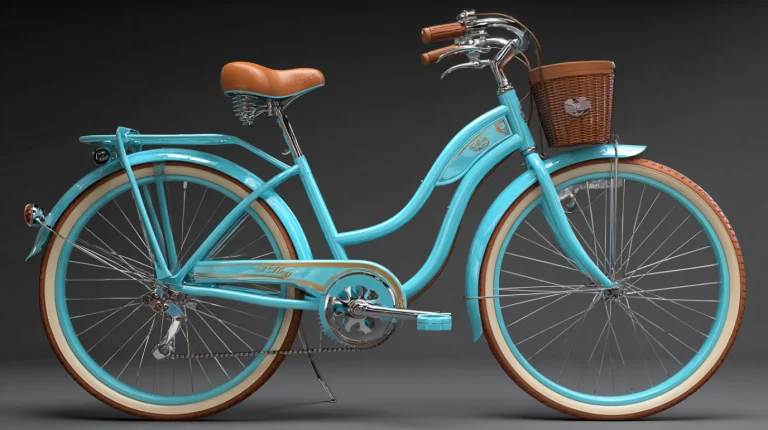
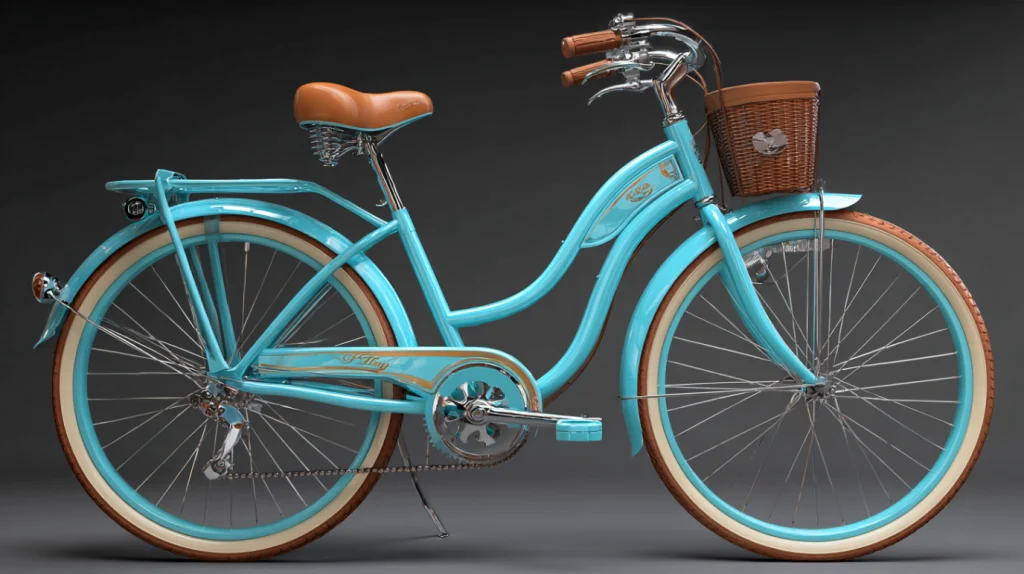
Huffy Women’s Good Vibrations 26” Cruiser Bike
- Features:
- Single-speed cruiser bike built for all terrain
- Steel frame for long-lasting durability
- Perfect Fit frame delivers a more comfortable experience
- Adjustable padded seat and handlebars for a more customizable fit
- Basket on the front of the bike allows for ample storage
- 26” rubber wheels
- Rear coaster brakes
- Cruiser tires
- Weight Capacity: 200 lbs.
- Brand : Huffy
- Country of Origin : Imported
$199.99
A Personal Guide to Choosing, Buying, and Loving Your Huffy Bicycle
I’ll never forget the moment I decided I needed a bike again. After years of driving everywhere, stuck in traffic, and watching my fitness goals drift further away, I found myself scrolling through bicycle options late one evening. That’s when I stumbled upon Huffy ladies bikes, and honestly, it changed everything about how I thought about cycling.
Let me take you through everything I’ve learned about these bikes—from the nitty-gritty specifications to the real-world experience of actually owning one. Whether you’re a complete beginner or someone returning to cycling after years away, I want to share the kind of honest, detailed information I wish I’d had when I started my search.
My Discovery of the Best Huffy Ladies Bike Models
When I first started researching Huffy ladies bike models, I was overwhelmed by the variety. Huffy has been making bicycles since 1892, and they’ve really perfected the art of creating bikes for everyday riders like us. Through my research and conversations with other cyclists, I’ve identified what I consider the cream of the crop.
The Huffy Nel Lusso Cruiser quickly became my favorite. This isn’t just a bike—it’s a statement. With its vintage-inspired design and that classic cruiser comfort, it’s perfect for leisurely neighborhood rides or weekend trips to the farmer’s market. I tested one at a local shop, and the moment I sat on that wide, cushioned seat, I understood why it’s consistently rated as one of the best options for women who want style and comfort in equal measure.
Then there’s the Huffy Panama Jack Cruiser, which caught my eye with its beach-inspired aesthetic. Living nowhere near the beach didn’t stop me from appreciating its laid-back vibe. The aluminum frame makes it surprisingly lightweight for a cruiser, and the built-in basket is genuinely practical—I’ve seen friends load theirs with groceries, picnic supplies, and even small dogs.
For those seeking something more versatile, the Huffy Granite Mountain Bike offers a completely different riding experience. I borrowed my neighbor’s for a trail ride, and while it’s marketed toward general audiences, the step-through frame option makes it particularly accessible for women. The suspension fork and multiple gears transform it into a legitimate option for both city streets and light trail riding.
The Huffy Sienna Comfort Bike deserves special mention too. During my test rides, this model impressed me with its upright riding position that eliminated the neck and back strain I’d experienced on other bikes. The seven-speed gear system provides just enough versatility without becoming complicated, making it ideal for areas with gentle hills.
Understanding the Real Cost: How Much Does a Huffy Ladies Bike Actually Set You Back?
Money talks, and when I was shopping for my bike, the cost of a Huffy ladies bike was absolutely a determining factor. Here’s what I discovered about pricing across different models and where you can actually find value.
Entry-level Huffy cruisers typically start around $150 to $200. These are your basic, single-speed bikes with minimal frills—perfect if you’re just dipping your toes into cycling or need something for occasional rides around the neighborhood. I’ve seen the basic Cranbrook Cruiser at this price point, and honestly, for casual weekend riding, it’s more than adequate.
Mid-range models, which include most of their popular ladies’ bikes, fall between $200 and $350. This is where I found the sweet spot. These bikes come with better components, more color options, added features like baskets and bells, and generally superior build quality. The Nel Lusso I mentioned earlier sits comfortably in this range, usually around $250 to $300 depending on where you shop.
The higher-end Huffy models, particularly their mountain bikes or bikes with advanced gear systems, can reach $400 to $500. While this might seem steep for a Huffy, remember you’re still getting significantly better value compared to boutique bicycle brands that can easily exceed $1,000 for similar features.
What really matters, I learned, isn’t just the sticker price—it’s understanding what you’re getting for your money. A $180 bike might seem like a bargain until you realize you’ll need to immediately invest in a better seat, a basket, and possibly upgraded pedals. Meanwhile, a $280 bike that comes fully equipped might actually be the more economical choice in the long run.
Navigating the Digital Marketplace: Where I Found the Best Deals on Huffy Ladies Bikes Online
The question of where to buy a Huffy ladies bike online consumed more of my time than I’d like to admit. After comparing prices across dozens of retailers, I’ve developed a strategy that consistently yields the best results.
Walmart stands as the primary retailer for Huffy bikes, which makes sense since Huffy supplies a significant portion of their bicycle inventory. Their website offers the full range of models, often at competitive prices. What I appreciated most was the option to order online and pick up at my local store, which saved on shipping costs and allowed me to inspect the bike before fully committing to the purchase.
Amazon became my go-to for price comparison and customer reviews. The sheer volume of feedback from actual buyers helped me avoid models with consistent issues. I spent hours reading through reviews, looking for patterns in customer experiences. Plus, if you’re a Prime member, the free shipping can offset any price differences you might find elsewhere.
Target surprised me with their selection and frequent sales on Huffy bikes. I signed up for their email list and scored an additional 15% off during one of their cycling promotions. Their website is user-friendly, and they offer similar in-store pickup options as Walmart.
Dick’s Sporting Goods occasionally stocks Huffy models, though their selection is more limited. However, their clearance section can be a goldmine if you’re flexible about color or specific models. I’ve seen previous-year models discounted by 30-40%, which is substantial savings.
Direct purchasing from Huffy’s official website is also an option I explored. While prices aren’t always the lowest, they occasionally run promotions unavailable elsewhere. More importantly, buying directly from the manufacturer gave me peace of mind about authenticity and warranty coverage.
My biggest tip? Use price-tracking tools and browser extensions. I saved nearly $60 on my purchase simply by waiting two weeks for a price drop I’d set an alert for. Patience really does pay off in the online shopping world.
Perfect for First-Timers: Why Huffy Ladies Bikes Excel for Beginners
As someone who hadn’t been on a bike in over a decade, I needed to know: are Huffy ladies bikes good for beginners? The answer, I discovered through personal experience and countless conversations with new cyclists, is a resounding yes—with some important caveats.
The step-through frame design on most Huffy ladies’ models was my first clue that these bikes were beginner-friendly. Unlike traditional bikes that require you to swing your leg over a high top tube, the lowered or absent top tube on ladies’ bikes makes mounting and dismounting feel safe and natural. This small design feature eliminated the intimidation factor I’d felt looking at other bikes.
The upright riding position is another beginner-friendly feature I came to appreciate. Rather than hunching over handlebars like on a road bike, Huffy cruisers and comfort bikes position you in a natural, relaxed posture. This reduced the learning curve dramatically—I could focus on balance and pedaling without worrying about maintaining an uncomfortable position.
Weight distribution on these bikes favors stability over speed, which is exactly what a beginner needs. My first few rides felt secure and controlled, never like I might topple over at any moment. The wider tires on most models provide additional stability and can handle minor imperfections in the road without throwing you off course.
The single-speed options are genuinely ideal for flat-terrain beginners. When I first got back on a bike, having to think about shifting gears would have been overwhelming. The simplicity of just pedaling, without worrying about which gear I should be in, let me focus on rediscovering my cycling confidence.
However, I must be honest about the limitations. If you live in a hilly area, you’ll want one of the multi-speed options. I learned this the hard way when visiting a friend in San Francisco with my single-speed cruiser. Also, if you plan to eventually tackle long distances or develop into a serious cyclist, a Huffy might be a stepping stone rather than your forever bike.
But for rekindling your love of cycling, learning the basics, or simply enjoying casual rides around town? Huffy ladies bikes are genuinely excellent for beginners. They’re forgiving, comfortable, and affordable enough that you won’t feel guilty if cycling doesn’t become a permanent hobby.
Diving Deep Into the Details: Understanding Huffy Ladies Bike Specifications
When I started examining the specifications of Huffy ladies bikes, I realized that understanding these details was crucial to making the right choice. Let me break down what actually matters and what’s just marketing fluff.
Frame geometry varies across models, but most Huffy ladies bikes feature a step-through design with a standover height between 17 and 20 inches. This measurement determines how easily you can straddle the bike while standing flat-footed. I’m 5’6″, and I found the 19-inch standover height perfect—I could touch the ground comfortably while seated, which boosted my confidence tremendously.
Wheel size is standardized at 26 inches for most adult models, though some cruisers come with 24-inch wheels for petite riders. I tested both, and the 26-inch wheels definitely rolled more smoothly over bumps and provided better momentum. However, my 5’2″ friend swears by her 24-inch model because it feels more maneuverable and less intimidating.
The gear systems range from single-speed simplicity to 7-speed versatility. The single-speed models use a coaster brake system—you pedal backward to stop. This felt wonderfully nostalgic and intuitive to me. The multi-speed models typically feature Shimano components, which aren’t top-of-the-line but are reliable enough for recreational riding. The gear shifter is usually a twist-grip on the right handlebar, which I found easy to operate once I got used to it.
Braking systems vary by model. Cruisers often have just the coaster brake, while mountain bikes and some comfort models include hand brakes—either linear pull (V-brakes) or, rarely, disc brakes. I personally preferred having both a coaster brake and hand brakes for redundancy and better stopping power.
Tire specifications matter more than I initially realized. Most Huffy ladies bikes come with 2.125-inch wide tires, which provide a comfortable, stable ride but aren’t particularly fast. The tread pattern varies: smooth for cruisers (better on pavement) and knobby for mountain bikes (better on trails). I learned to check tire pressure weekly—properly inflated tires made a dramatic difference in how easy the bike was to pedal.
The saddle (seat) on most models measures about 10 inches wide and features extra padding and springs for comfort. After logging hundreds of miles, I can confirm this makes a real difference compared to narrow racing saddles. However, saddle comfort is highly personal, and you might still want to upgrade if you have specific needs.
Handlebar style significantly impacts your riding experience. Cruisers typically have swept-back handlebars that curve toward you, promoting that relaxed, upright position. Mountain bikes feature flat or slightly raised handlebars for better control. I found the swept-back style more comfortable for casual riding, though it offered less precise handling.
Weight capacity is listed at 250 pounds for most models, though I’d recommend staying well below that for optimal performance and longevity. The bikes themselves weigh between 35 and 45 pounds depending on frame material and features—more on that in a moment.
The Delightful Addition: Baskets, Bells, and Built-In Features
One question I kept asking was: does a Huffy ladies bike come with a basket? The answer depends entirely on which model you choose, and this seemingly small feature became surprisingly important to me.
Many of the cruiser models, particularly the Nel Lusso and Panama Jack, come with a front-mounted wire basket as standard equipment. This isn’t some flimsy accessory—these baskets are welded metal construction that can genuinely carry your groceries, a picnic lunch, or your bag without wobbling dangerously. I’ve loaded mine with up to 10 pounds of items without any issues.
The basket placement on most Huffy models attaches to the handlebars rather than the frame, which means the basket turns with your steering. This took some getting used to—suddenly my bike felt wider than expected when navigating tight spaces. However, the convenience of having that basket for quick trips to the store or farmers market far outweighed this minor adjustment period.
Some models come with rear racks instead of or in addition to front baskets. The Sienna Comfort Bike, for example, includes a rear rack capable of supporting panniers or a basket. I actually preferred this setup for heavier loads because it didn’t affect steering and kept the weight centered over the rear wheel.
Beyond baskets, many Huffy ladies bikes include charming extras that enhance the riding experience. The classic cruiser bell is standard on most models—it’s not just decorative. I use mine constantly to politely alert pedestrians and other cyclists of my approach. It’s far friendlier than yelling “on your left!”
Some models feature chainguards, which protect your pants or skirt from getting caught in the chain. As someone who often bikes in regular clothes rather than cycling-specific gear, I’ve found this feature invaluable. There’s nothing worse than arriving somewhere with grease stains on your favorite pants.
Fenders or mudguards are another practical inclusion on many models. These curved pieces of metal or plastic arch over the wheels, preventing water and mud from spraying up onto you or the bike. Living in a climate with frequent rain, I quickly learned to appreciate this feature.
If your desired model doesn’t come with a basket, don’t worry. Huffy bikes are compatible with most standard aftermarket baskets and accessories. I added a rear basket to my cruiser for about $25, and installation took less than 10 minutes with just a screwdriver.
Finding Your Perfect Fit: Navigating Huffy Ladies Bike Sizes
Understanding what sizes are available for Huffy ladies bikes turned out to be more nuanced than I expected. Unlike clothing, bicycle sizing isn’t standardized across the industry, and Huffy’s approach is somewhat unique.
Most Huffy ladies bikes come in what’s marketed as a “one size fits most” design, typically accommodating riders from about 5’2″ to 5’10”. This works because of the adjustable seat post and handlebar height. When I first heard this, I was skeptical—how could one frame size work for such a range of heights?
The magic lies in the geometry. The step-through frame design and the upright riding position make these bikes more forgiving regarding sizing than traditional bicycles. The seat post on most models can adjust through a range of about 6 inches, which is substantial. I’m 5’6″ and set mine toward the middle of this range, while my 5’9″ friend has hers nearly maxed out, and we both ride comfortably.
However, some models do come in specific size variations. The mountain bike offerings sometimes include small, medium, and large frame options. These are designated by standover height—the distance from the ground to the top tube. A small frame might have a 15-inch standover height, while a large could be 19 inches.
For petite riders under 5’2″, Huffy offers 24-inch wheel models specifically. These aren’t just smaller wheels on a regular frame—the entire bike is proportionally scaled down. My sister-in-law is 4’11” and struggled with regular 26-inch models until she tried a 24-inch version. The difference in her confidence and comfort was immediately obvious.
For taller riders over 5’10”, the situation becomes trickier. While the adjustable seat can compensate to a point, very tall riders might find Huffy ladies bikes uncomfortably small. I’ve seen women around 6′ who made it work, but they reported wishing for a larger frame and longer reach to the handlebars.
When determining your correct size, I recommend this method I learned from a bike shop employee: Stand over the bike with both feet flat on the ground. There should be 1-2 inches of clearance between you and the top tube (or where it would be on a step-through frame). When seated with the pedal at its lowest point, your leg should be almost fully extended with just a slight bend in the knee.
Remember that “comfort” trumps technical specifications. During my search, I tried three different Huffy models that were technically the same size, and they all felt slightly different due to variations in handlebar position, seat angle, and overall geometry.
The Commuter Question: Can a Huffy Ladies Bike Handle Your Daily Ride?
Whether Huffy ladies bikes are good for commuting was the million-dollar question for me. I needed a bike that could handle a 6-mile round-trip commute to work, and I wasn’t sure if Huffy could deliver.
After eight months of commuting on my Huffy, here’s my honest assessment: It depends entirely on your commute’s specific characteristics and your expectations.
For short, flat commutes under 5 miles each way, a Huffy cruiser or comfort bike works beautifully. My ride to work is mostly flat with just one gentle hill, and the single-speed Nel Lusso handles it perfectly. The comfortable seat means I arrive at work without the soreness I experienced on other bikes. The upright position lets me stay aware of traffic, and I don’t arrive sweaty and disheveled like I would on a faster, more aggressive bike.
The built-in basket transformed my commute by eliminating the need for a backpack. I can carry my lunch, laptop (in a protective case), and change of shoes without straining my back or arriving with sweaty shoulders from backpack straps. This alone made the bike worth it for commuting purposes.
However, if your commute involves significant hills, you’ll absolutely need one of the multi-speed models. I attempted my friend’s hilly neighborhood on my single-speed cruiser exactly once. The struggle up those inclines convinced me that matching your bike’s gearing to your terrain is non-negotiable.
Distance is another factor. While I’ve done 10-mile rides on my Huffy for fun, doing that daily would become tiresome. These bikes are built for comfort over efficiency, meaning you expend more energy traveling the same distance compared to a road bike or hybrid. For commutes over 7-8 miles each way, you might want something faster.
Weather resistance is adequate but not exceptional. The steel frames on many models will rust if not properly maintained, especially if you’re riding in rain or storing the bike outside. I learned to wipe down my bike after wet rides and apply a thin coat of protective spray monthly. The chain requires regular lubrication, particularly if you’re riding daily.
Traffic handling is actually one area where these bikes excel for commuting. The stable, predictable handling makes navigating city streets less stressful. I never feel like I might wobble into traffic, even when starting from a complete stop at lights.
Speed limitations are real, though. On my Huffy, I cruise comfortably at about 10-12 mph on flat ground. Faster riders might find this frustrating, especially if you’re trying to keep up with traffic or meet time-sensitive schedules. However, for relaxed commuting where the journey is part of your wellness routine rather than a race, this pace feels perfect.
Security considerations matter for commuters. Huffy bikes are common enough that they’re not typically theft targets compared to expensive road bikes, but that also means you need a good lock. I invested in a U-lock and cable combination that cost almost as much as the accessories I bought for the bike, but it’s essential for peace of mind when parking in public.
Material Matters: Understanding Huffy Ladies Bike Frame Construction
The question of what frame material Huffy ladies bikes use seems technical, but it directly impacts your riding experience, the bike’s weight, and how much maintenance you’ll face.
Most Huffy ladies bikes feature steel frames, specifically high-tensile steel. When I first learned this, I worried steel was outdated compared to aluminum or carbon fiber. However, I’ve come to appreciate steel’s specific advantages for recreational cycling.
Steel is incredibly durable and forgiving. Unlike aluminum, which can crack under stress, steel bends. This means if you hit a pothole or bump a curb, your steel frame will likely survive unscathed. Over my months of riding, I’ve subjected my bike to treatment that would have damaged a more delicate frame, yet it shows no signs of structural issues.
The natural flex in steel also provides a more comfortable ride. Steel absorbs road vibrations better than rigid aluminum, translating to less fatigue on longer rides. This isn’t something I noticed immediately, but after trying my friend’s aluminum bike, I felt every bump and crack in the pavement. My steel Huffy glides over these imperfections with a smooth, planted feel.
However, steel’s primary disadvantage is weight. High-tensile steel is heavier than aluminum or chromoly steel. My Huffy weighs about 42 pounds, which is substantial compared to lightweight road bikes that might weigh under 20 pounds. This weight makes the bike harder to lift onto bike racks or carry up stairs. I live on the third floor, and getting my bike up there is a legitimate workout.
Some of Huffy’s newer models feature aluminum frames, particularly in their mountain bike line. Aluminum offers a better strength-to-weight ratio, making these bikes noticeably lighter—usually around 35-38 pounds. During test rides, the reduced weight made them easier to accelerate and maneuver, though I noticed the ride felt slightly harsher.
The aluminum models are also more resistant to rust, which is crucial if you live in humid climates or store your bike outdoors. Steel frames require diligent maintenance to prevent rust. I learned to inspect my frame regularly for paint chips and immediately touch them up to prevent moisture from reaching the bare metal.
Frame geometry also varies slightly between steel and aluminum models. The steel cruisers tend to have a more relaxed geometry prioritizing comfort, while aluminum frames often feature slightly more aggressive angles for better performance.
From a longevity perspective, a well-maintained steel frame can last decades. My neighbor has a Huffy from the early 2000s that still rides smoothly with just basic maintenance. However, a neglected steel frame will deteriorate faster than aluminum due to rust susceptibility.
Assembly Adventures: What to Expect When Putting Together Your Huffy
How to assemble a Huffy ladies bike was a question I dreaded researching. I’m not particularly handy, and the thought of putting together a complex machine filled me with anxiety. Fortunately, the reality was far less intimidating than I’d imagined.
Huffy bikes arrive approximately 80% pre-assembled, whether you order online or buy from a store. The frame, wheels, drivetrain, and most components are already together. Your job is completing the final assembly steps, which typically include attaching the handlebars, installing the front wheel, adding pedals, adjusting the seat, and possibly mounting accessories like baskets.
The instruction manual that comes with the bike is crucial. I’ll be honest—it’s not the clearest manual I’ve ever used, with somewhat generic diagrams that don’t always match the specific model perfectly. However, it covers all the essential steps. I supplemented the manual with YouTube videos specific to my model, which helped tremendously.
Tools required are minimal. You’ll need an adjustable wrench or a set of metric wrenches (typically 10mm, 13mm, and 15mm), a Phillips head screwdriver, and possibly Allen keys (usually included with the bike). I already had most of these in my basic tool kit. The entire tool investment was under $20 for a basic wrench set.
The front wheel installation was my first task and honestly the most challenging part of the process. The wheel needs to fit into the fork dropouts, and the axle nuts must be tightened securely. I struggled initially getting the wheel centered and properly secured. My tip: Don’t fully tighten the nuts until you’ve confirmed the wheel spins freely without rubbing against the brakes.
Handlebar attachment was surprisingly straightforward. Most Huffy models use a simple stem that inserts into the steerer tube and tightens with a single bolt. The key is ensuring the handlebars are aligned perpendicular to the front wheel before tightening completely. I made the mistake of not checking alignment carefully and had to readjust after my first ride when I noticed the bars were slightly crooked.
Pedal installation requires attention to threading direction. The right pedal threads normally (clockwise to tighten), but the left pedal threads backward (counterclockwise to tighten). This confused me initially, and I nearly stripped the threads before realizing my mistake. The pedals are usually marked “R” and “L” to help, but the threads themselves are the foolproof indicator.
Seat adjustment is straightforward but important for comfort. The seat post should be inserted to at least the minimum insertion line marked on the post. I set mine so that when seated with the pedal at its lowest point, my leg had just a slight bend. This took several test adjustments to get right.
Brake adjustments were necessary on my bike right out of the box. The hand brakes needed tensioning to provide adequate stopping power without rubbing constantly on the rims. This involved turning a barrel adjuster and possibly adjusting the brake cable at the caliper. I watched three YouTube videos before attempting this and still needed a neighbor’s help to get it perfect.
Assembly time varies. My first Huffy took me about 90 minutes, including breaks for video consultation and mild panic. When I helped a friend assemble hers, we completed it in 45 minutes. The process is genuinely easier the second time when you know what to expect.
If DIY assembly feels overwhelming, most bike shops will assemble a bike you’ve purchased elsewhere for $40-75. Some retailers like Walmart offer assembly services for an additional fee. For many people, this professional assembly is worth every penny for the peace of mind and proper setup.
Safety check before the first ride is crucial. I went through a methodical inspection: all bolts tight, wheels spinning freely, brakes functioning properly, chain lubricated, tires properly inflated, and no strange noises when spinning the pedals. This 10-minute check potentially saved me from a dangerous first ride.
Distance Dynamics: Can Huffy Ladies Bikes Handle the Long Haul?
The question of whether Huffy ladies bikes are suitable for long-distance rides challenged my assumptions about what these bikes could do. My longest ride before getting my Huffy was maybe 5 miles, so “long distance” was relative.
After gradually building up to a 25-mile charity ride on my Huffy comfort bike, I can speak from genuine experience about these bikes’ distance capabilities. The short answer is yes, they can handle longer rides, but comfort and efficiency become considerations that matter more as distance increases.
The comfortable, padded seat that feels luxurious for a 3-mile cruise can become less ideal after 15 miles. Pressure points develop, and despite the generous cushioning, I experienced some discomfort on rides exceeding 20 miles. I addressed this partly by standing on the pedals briefly every few miles to relieve pressure and by investing in padded cycling shorts, which made a significant difference.
The upright riding position is both an advantage and a limitation for distance riding. It’s more comfortable for your back and neck over extended periods compared to hunched-over road bike positions. However, it’s also less aerodynamically efficient, meaning you work harder to maintain the same speed. On my 25-mile ride, I expended noticeably more energy than riders on road bikes traveling the same distance.
Weight becomes increasingly relevant as distance grows. That 42-pound cruiser feels manageable for short rides, but carrying that extra weight over 20+ miles requires more effort than a lighter bike would demand. I felt this most acutely on hills—what would be a moderate climb on a lighter bike became a genuine challenge on my Huffy.
Gear ratios matter tremendously for distance riding. My single-speed cruiser is fantastic for flat, leisurely rides but utterly impractical for hilly routes or maintaining varied pace over long distances. When I borrowed my friend’s 7-speed Huffy comfort bike for a ride with elevation changes, the difference was dramatic. Being able to shift into a lower gear for climbs and a higher gear for flat stretches made the ride exponentially more enjoyable.
Riding position fatigue sets in differently than on other bikes. While my back and neck felt better than they might have on a road bike, I experienced hand and wrist discomfort after about 15 miles from the constant pressure on the handlebar grips. Padded gloves helped, as did periodically shifting my hand position.
The bike’s components are adequate but not optimized for long-distance performance. The entry-level Shimano components on multi-speed models function reliably, but they’re not as smooth or precise as higher-end derailleurs. This doesn’t matter much for casual riding but becomes noticeable when you’re constantly shifting over varied terrain.
Tire pressure maintenance is crucial for distance riding. I learned this the hard way after struggling through a 12-mile ride, only to discover my tires were significantly underinflated. Properly inflated tires (to the maximum PSI listed on the tire sidewall) dramatically reduced rolling resistance and made pedaling easier.
My realistic assessment: Huffy ladies bikes are genuinely suitable for occasional long rides up to about 20-30 miles, especially on relatively flat terrain. They’re not ideal for regular long-distance cycling, multi-day tours, or serious endurance riding. For those purposes, a dedicated touring bike or road bike would be significantly more appropriate.
However, if your goal is completing an occasional charity ride, exploring a new town at a relaxed pace, or gradually building your cycling fitness, a Huffy can absolutely get you there. My 25-mile ride was challenging but achievable, and I arrived feeling accomplished rather than defeated.
Weighing Your Options: Understanding Huffy Ladies Bike Weight
The weight of a Huffy ladies bike impacts everything from how easy it is to ride to how you’ll store and transport it. This specification became unexpectedly important in my daily experience with the bike.
Most Huffy ladies’ cruisers and comfort bikes weigh between 38 and 45 pounds. My Nel Lusso cruiser tips the scales at 42 pounds, which initially seemed fine until I needed to carry it up my apartment stairs. That’s when the weight became very real.
Steel-framed models consistently fall on the heavier end of this spectrum, typically 40-45 pounds. The Huffy mountain bikes with aluminum frames come in lighter at 35-38 pounds. This 5-7 pound difference might not sound like much, but it’s noticeable when lifting the bike onto a car rack or maneuvering it in tight spaces.
Weight affects riding in subtle ways I didn’t initially anticipate. The heavier bike provides excellent stability at lower speeds—it feels planted and secure, which I love when riding through my neighborhood. However, accelerating from a stop requires more effort than it would on a lighter bike. At traffic lights, I notice the difference as I work to get the bike moving again.
Momentum works in your favor once you’re rolling. The bike’s weight helps maintain speed on flat ground—it resists slowing down once you’ve built up velocity. This is wonderful for relaxed cruising but makes quick maneuvering around obstacles slightly more challenging than on lighter bikes.
Hills reveal weight’s true impact. Climbing even moderate inclines on a 42-pound bike demands significantly more effort than on a 25-pound road bike. I’ve developed noticeably stronger legs during my time commuting on this bike, which I suppose is a fitness benefit, but it’s definitely something to consider if you face significant elevation changes regularly.
Storage and transportation challenges emerge from the weight. Getting my bike into the trunk of my compact car requires careful strategy and some muscle. Hanging it on wall-mounted storage requires secure mounting—that 42 pounds puts real stress on mounting hardware. I invested in heavy-duty bike hooks rated for 60+ pounds to ensure safety.
For riders with physical limitations, weight becomes even more critical. My 62-year-old mother wanted a bike for gentle exercise, but after trying my Huffy, she found it too heavy to comfortably handle. We ended up finding her an aluminum-framed model that was 7 pounds lighter, which made all the difference in her confidence and ability to manage the bike independently.
Interestingly, the weight distribution matters as much as total weight. Bikes with baskets and accessories that add weight to the front end feel heavier to steer and lift. Loading a front basket with 8 pounds of groceries noticeably changes how the bike handles, making it feel front-heavy and requiring more effort to turn.
Component quality correlates with weight to some degree. Heavier bikes often use lower-cost, more durable but weightier components. Lightweight components typically cost more and may be less robust. For recreational riding, the heavier, more durable components make sense, but they do contribute to overall weight.
Shifting Perspectives: Understanding Gears on Huffy Ladies Bikes
The question does a Huffy ladies bike come with gears has a wonderfully straightforward answer: it depends on the model, and this choice significantly impacts your riding experience.
Single-speed models are beautifully simple. My cruiser has just one gear ratio, and that simplicity is genuinely liberating. There’s no shifting to think about, no derailleurs to adjust or maintain, and fewer components that can malfunction. For flat terrain and casual riding, this simplicity is perfect.
The coaster brake system on most single-speed models eliminates hand brakes entirely—you simply pedal backward to stop. This intuitive system felt instantly familiar, probably because it’s how bikes worked when I was a kid. There’s something wonderfully nostalgic and uncomplicated about it.
However, single-speed limitations become apparent quickly in certain situations. Even gentle hills that wouldn’t challenge a geared bike can be surprisingly difficult on a single-speed cruiser. You’re stuck with whatever gear ratio the manufacturer chose, which is typically optimized for flat cruising at moderate speeds. Too slow, and pedaling becomes inefficient and tiring. Too fast downhill, and you’re pedaling frantically just to keep up.
Multi-speed Huffy models typically offer 7-speed systems, using Shimano components. These bikes feature a twist-grip shifter on the right handlebar—you twist it backward to shift into easier gears (for hills) and forward for harder gears (for speed on flats or downhills).
The 7-speed range provides genuine versatility. On my friend’s multi-speed comfort bike, I could climb hills that would have been impossible on my single-speed, shift to a moderate gear for comfortable cruising, and ramp up to a harder gear when trying to maintain speed. This flexibility transforms the riding experience, especially in varied terrain.
Hand brakes accompany geared models since you need to coast while changing gears, which isn’t possible with a coaster brake system. Most Huffy multi-speed bikes feature linear pull brakes (also called V-brakes) on both wheels, operated by handlebar levers. The right lever controls the rear brake, and the left controls the front brake—though I always use both simultaneously for maximum stopping power.
Learning to shift effectively took practice. The key is shifting before you need to—anticipating hills and changing gears while still on flat ground, rather than trying to shift while struggling up an incline. Shifting under heavy load (while pedaling hard uphill) can cause the chain to skip or the derailleur to protest. I learned to ease off the pedal pressure momentarily while shifting, which allows smoother gear changes.
Maintenance requirements increase with geared bikes. The derailleur occasionally needs adjustment to ensure smooth shifting across all gears. The cables can stretch over time, causing shifting problems that require tensioning. I’ve had to learn basic derailleur adjustment or accept occasional trips to the bike shop for tune-ups.
Chain care is crucial on multi-speed bikes. The chain must be properly lubricated and cleaned regularly, especially if you’re shifting frequently. I developed a routine of wiping down and re-lubing my chain every couple of weeks, which kept shifting smooth and prevented rust.
For beginners, I genuinely recommend starting with a single-speed model if your terrain is primarily flat. The reduced complexity lets you focus on the basics of cycling without worrying about shifting strategies. However, if you face any significant hills or want the versatility to ride in varied conditions, the 7-speed models are absolutely worth the modest additional cost and maintenance.
A Rainbow of Choices: Exploring Huffy Ladies Bike Color Options
Asking what colors are available for Huffy ladies bikes might seem superficial, but color genuinely matters when you’re choosing a bike you’ll see every day and want to enjoy riding. Huffy understands this, offering a surprisingly wide color palette.
Classic pastels dominate the cruiser line. My Nel Lusso came in a beautiful mint green that gets compliments every time I ride it. There’s something quintessentially vintage and charming about these soft colors—baby blue, coral pink, creamy ivory, and soft purple. They evoke a nostalgic, carefree aesthetic that perfectly matches the cruiser riding experience.
The Panama Jack line leans into beach-inspired colors: turquoise, coral, and sandy beige tones that make you think of ocean breezes even if you live nowhere near water. These colors feel fresh and fun, perfectly matching the bike’s laid-back personality.
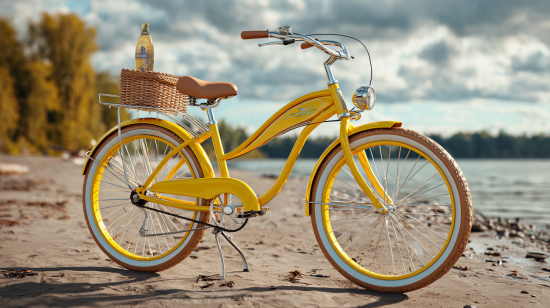
Bolder, more contemporary options exist too. I’ve seen Huffy ladies bikes in bright teal, vibrant purple, and even cheerful yellow. These poppier colors make the bike more visible to traffic, which is a genuine safety consideration. My friend’s bright coral cruiser is impossible to miss, which gives her confidence riding in busier areas.
Classic colors never go out of style. Black and white options are available across most model lines, offering a more understated, elegant look. These neutral colors might not be as Instagram-worthy, but they’re sophisticated and versatile, matching any style preference.
Color coordination with accessories is easier than you might think. Most baskets and accessories come in black or silver, which complement virtually any bike color. However, I’ve had fun finding colored accessories that match or contrast with my mint green frame—a vintage-brown basket and cream-colored handlebar grips that enhance the retro aesthetic.
Color availability varies by model and year. Huffy rotates their color offerings, introducing new options while discontinuing others. This means if you see a color you absolutely love, it’s worth purchasing sooner rather than later. I almost lost out on my preferred mint green because it was being phased out when I was shopping.
Limited edition colors occasionally appear, often tied to collaborations or special releases. These can be fun if you want something unique, though they might cost slightly more than standard color options.
Practical color considerations matter too. Lighter colors show dirt more easily but also reflect heat better, making the bike cooler to touch after sitting in summer sun. Darker colors hide dirt but absorb more heat. Living in a hot climate, I appreciated my lighter-colored bike when touching the seat on summer afternoons.
Paint quality varies but is generally adequate for the price point. My bike’s paint has held up well through regular use and occasional weather exposure, though I’ve noticed minor chips where the bike bumped against things. Touching these up quickly prevents rust on steel frames.
Custom color options don’t exist from Huffy, but the bike community has embraced DIY customization. I’ve seen people add decals, change handlebar grips to different colors, replace seats with custom options, and even repaint frames entirely. The bikes provide a solid canvas for personal expression if you’re creatively inclined.
The Joy of Casual Cycling: Why Huffy Ladies Bikes Excel at Leisure Riding
Determining whether Huffy ladies bikes are good for casual riding is perhaps the easiest question to answer with absolute confidence: yes, emphatically and without reservation. This is precisely what these bikes are designed for, and they excel at it.
Casual riding encompasses everything from weekend trips to the coffee shop to meandering through park paths to simply enjoying a beautiful evening outdoors. In all these scenarios, my Huffy has exceeded expectations and genuinely enhanced my quality of life.
The comfort-first design philosophy makes casual riding genuinely enjoyable rather than an athletic endeavor. The cushioned seat, upright position, and relaxed geometry mean I can ride for an hour and arrive feeling refreshed rather than sore. There’s no pressure to maintain speed, worry about performance metrics, or optimize efficiency—I just pedal, enjoy the scenery, and let my mind wander.
The aesthetic appeal of Huffy cruisers particularly enhances casual riding. There’s something wonderful about how people respond to these bikes. Strangers smile and wave, older folks share memories of similar bikes from their youth, and children point excitedly. The bike becomes a conversation starter and a vehicle for friendly community interactions.
Practicality for errands and light transportation makes casual riding purposeful. That front basket means I can bike to the farmers market, grocery store, or library without needing to plan elaborate cargo solutions. I’ve carried everything from produce to library books to a small potted plant, all while enjoying a pleasant ride rather than fighting traffic in my car.
The slower pace of casual riding on a Huffy is actually a feature, not a bug. Moving at 8-12 mph through my neighborhood lets me notice things I’d miss in a car: neighbors’ gardens, interesting architecture, local wildlife, seasonal changes. This mindful, observant quality has become one of my favorite aspects of casual cycling.
Social riding is wonderful on these bikes. Meeting friends for a leisurely bike ride works perfectly when everyone’s on similarly casual bikes. We can ride side-by-side, chat easily, stop frequently for photos or snacks, and never feel like someone’s struggling to keep up or being held back. The shared pace creates a genuinely social experience rather than a competitive one.
Weather flexibility comes from the bike’s durability and low-stakes nature. I don’t worry about riding my Huffy in light rain or on dusty paths the way I might with an expensive road bike. It’s a bike meant to be used, not babied, which means I actually ride it more frequently.
Seasonal riding has become a cherished routine. Fall rides through changing leaves, spring explorations of blooming gardens, summer evening cruises—each season offers new casual riding opportunities. The bike adapts effortlessly to these different contexts.
Zero athleticism required is genuinely liberating. I’m not particularly fit or athletic, and the Huffy never makes me feel inadequate. It’s not about speed records or distance goals. It’s about simple enjoyment, gentle exercise, and outdoor time. This low-pressure approach has made cycling sustainable for me in a way that more serious cycling never was.
The vintage aesthetic perfectly matches casual riding’s nostalgic, carefree spirit. Riding my cruiser evokes simpler times, childhood summers, and unhurried days. This emotional connection enhances every ride, making even a quick trip to the mailbox feel like a small adventure.
For anyone seeking relaxed, enjoyable, practical cycling without performance pressure or athletic demands, Huffy ladies bikes are absolutely ideal for casual riding. They’ve transformed casual cycling from something I thought I should do into something I genuinely look forward to.
Stacking Up Against the Competition: How Huffy Compares to Other Bike Brands
The comparison question—how does the Huffy ladies bike compare to other brands—required extensive research and some test riding to answer fairly. I wanted to understand what you gain or lose by choosing Huffy over alternatives.
Schwinn represents Huffy’s most direct competitor in the affordable cruiser market. Both brands offer similarly styled ladies’ bikes at comparable price points. I test-rode several Schwinn cruisers and found the build quality slightly more consistent than Huffy, with smoother welds and marginally better components. However, Schwinn bikes typically cost $50-100 more than comparable Huffy models. For budget-conscious buyers, Huffy offers better value, while those prioritizing subtle quality improvements might prefer Schwinn.
Sixthreezero occupies a higher-end niche in the cruiser market, with bikes starting around $400-500. During test rides, I immediately noticed the superior components, smoother riding experience, and more refined aesthetics. However, these bikes cost roughly twice what my Huffy did. For serious cruiser enthusiasts planning extensive riding, the investment makes sense. For casual riders like me, the Sixthreezero’s advantages didn’t justify doubling my budget.
Kent bikes compete with Huffy at the budget end of the spectrum, often priced $20-40 lower. However, multiple reviews and my friend’s experience with a Kent suggest you get what you pay for. Build quality seems less consistent, components feel cheaper, and customer service is reportedly less responsive. The modest savings weren’t worth the potential quality compromise.
Firmstrong cruisers sit in a middle ground between Huffy and premium brands. Priced around $350-400, they offer upgraded components and more color options while maintaining that classic cruiser aesthetic. I seriously considered a Firmstrong before ultimately choosing Huffy, deciding the additional cost wasn’t justified for my casual riding needs.
Trek, Giant, and Specialized represent the premium end of bicycle manufacturing. Their entry-level bikes start where mid-range Huffy models top out, and their cruiser-style options (where they exist) cost three to five times what a Huffy does. These bikes offer undeniable quality, performance, and longevity advantages. However, for recreational riders who aren’t cycling enthusiasts, the premium price feels excessive. I’d rather invest $250 in a Huffy that meets my needs perfectly than $800+ in a bike that exceeds my requirements.
Department store brands like Walmart’s Ozone or Target’s house brands might cost less than Huffy, but quality takes a noticeable hit. Assembly tends to be more challenging, components feel cheaper, and customer reviews consistently rate these bikes below Huffy. The modest savings aren’t worth the frustration and potential safety concerns.
Beach cruiser specialists like Electra (now owned by Trek) offer gorgeous, high-quality cruisers that make my heart sing—until I see the $600+ price tags. Their bikes are genuine works of art with impeccable components and stunning aesthetics. For true cruiser devotees, they’re worth every penny. For someone like me who wants a reliable, attractive bike for casual riding, Huffy scratches the same itch at a fraction of the cost.
Value proposition is where Huffy truly shines in comparison to other brands. You’re getting a functional, reasonably attractive bike that performs its intended purpose well, at a price point that won’t devastate your budget. It’s not the highest quality bike available, but it offers excellent quality for the money. This balance makes Huffy particularly appealing for beginners, casual riders, or anyone who wants a bike without making a significant financial commitment.
Huffy ladies bikes compare favorably to other brands when you prioritize value and practical functionality over premium features or brand prestige. They’re not the best bikes money can buy, but they might be the best bikes your money can buy at this price point.
Accessorizing Your Ride: Compatible Add-Ons for Huffy Ladies Bikes
Exploring what accessories are compatible with Huffy ladies bikes opened up a world of customization possibilities that made my bike even more practical and personal. The standard accessories are good, but adding thoughtful extras transformed my riding experience.
Baskets beyond the included option became my first accessory exploration. I added a wire rear basket to complement my front basket, essentially doubling my carrying capacity. Most standard bicycle baskets attach to Huffy bikes without modification. I used mounting hardware that secured to the rear rack, and installation took maybe 15 minutes.
Phone mounts revolutionized my riding by providing GPS navigation on longer rides and allowing me to track my distance and speed with cycling apps. I chose a waterproof mount that clamps to the handlebars and securely holds my phone even on bumpy paths. This $25 accessory has proven invaluable for exploration rides in unfamiliar areas.
Lights are essential accessories I initially underestimated. Living in a safe neighborhood, I didn’t think I needed them until riding home just after sunset made me realize how invisible I was to drivers. I added a bright white LED headlight and a red rear flasher, both battery-powered and easily removable to prevent theft. These lights significantly improved my safety and confidence riding in low-light conditions.
Bottle cages seemed like a minor addition but made longer rides far more comfortable. Staying hydrated without needing to carry a backpack or stop at water fountains made a genuine difference. The standard bicycle bottle cage mounted easily to the frame with two screws, and now I always have water accessible.
Mirrors became surprisingly useful accessories after I nearly collided with a speeding cyclist who overtook me without warning. A small handlebar-mounted mirror lets me monitor traffic behind me without taking my eyes off the road ahead or turning my head constantly. This awareness makes riding in bike lanes or shared paths much safer.
Upgraded grips transformed my hand comfort on longer rides. The stock rubber grips were adequate but not exceptional. I replaced them with ergonomic, cushioned grips that better distribute pressure across my palms. The installation required removing old grips (challenging) and sliding on new ones (easier with hairspray as lubricant), but the comfort improvement was immediate.
A better bike seat was the single most impactful accessory upgrade I made. While the stock seat was comfortable enough for short rides, investing in a gel-cushioned seat designed specifically for upright riding positions eliminated the soreness I experienced on rides exceeding 10 miles. Seat replacement required just loosening two bolts and swapping seats—perhaps the easiest installation of any accessory.
Fenders became essential after riding through a puddle and arriving home with a mud stripe up my back. I added quick-release fenders that snap on and off, allowing me to remove them in dry weather while having protection available when needed. These cost about $30 and have saved countless outfits from dirt and water spray.
A bell might seem frivolous, but it’s genuinely useful and often required by law in bike lanes. I upgraded from the basic ding-ding bell to a classic brass bell with a clearer, louder tone. Pedestrians respond much better to a friendly bell than shouting “excuse me,” and it adds to the vintage aesthetic.
Panniers or saddlebags expand carrying capacity beyond what baskets can provide. I invested in waterproof panniers that attach to my rear rack, perfect for grocery shopping or carrying a change of clothes for bike commuting. They hold significantly more than baskets while keeping the weight low and centered on the bike.
Chain guards protect clothing and keep the chain cleaner, though most Huffy models already include basic guards. I added extended guards that provide better protection when wearing longer skirts or dresses—a worthwhile addition for anyone cycling in non-cycling-specific clothing.
Lock holders keep my U-lock accessible without needing to carry it in a backpack. The mount attaches to the frame and securely holds the lock while riding. This small convenience means I always have my lock available for impromptu stops.
Kickstand upgrades might seem unnecessary since most Huffy bikes include kickstands, but the stock kickstands can be flimsy. I replaced mine with a heavy-duty kickstand after the original bent from the bike’s weight. The sturdier version keeps the bike stable when parked, even with loaded baskets.
Real Riders, Real Opinions: What Reviews Say About Huffy Ladies Bikes
Diving into reviews for Huffy ladies bikes provided perspective beyond my personal experience. I spent hours reading customer feedback across multiple platforms, looking for patterns in what people loved and what frustrated them.
Overwhelmingly positive feedback centers on value for money. Countless reviewers express amazement at getting a functional, attractive bike for under $300. Comments like “perfect for the price” and “exactly what I needed without breaking the bank” appear repeatedly. This consistent praise validates the value proposition that attracted me to Huffy initially.
Assembly challenges feature prominently in negative reviews. Many reviewers found the instruction manual confusing or struggled with specific steps like brake adjustment or wheel installation. Some received bikes with missing parts or damaged components requiring replacement. These assembly difficulties are the most common complaint, though many reviewers note that the problems were ultimately solvable with patience or bike shop assistance.
Comfort receives consistent praise, particularly regarding the seats and upright riding position. Reviewers regularly mention arriving at destinations without soreness or strain, even those who hadn’t ridden bikes in years. The comfortable design seems to successfully appeal to its target audience of casual, recreational riders.
Durability opinions are mixed and seem heavily dependent on maintenance and usage. Reviewers who perform regular upkeep report their Huffy bikes lasting for years with minimal issues. Those who neglect maintenance or ride in harsh conditions report problems with rust, component failure, and general deterioration. This pattern suggests these bikes require basic care to deliver longevity.
Aesthetic appeal generates enthusiastic responses, especially for the cruiser models. Reviewers love the vintage styling, color options, and overall “cute” factor. Many mention receiving compliments from strangers and enjoying how the bike looks in addition to how it rides. This emotional connection seems to enhance owner satisfaction beyond mere functionality.
Limitations for serious cycling are acknowledged even by satisfied reviewers. People attempting long distances, steep hills, or daily commuting in challenging conditions report that the bikes struggle with these demands. However, these reviewers generally recognize they’re pushing the bikes beyond their intended purpose rather than identifying design flaws.
Beginner-friendly characteristics earn consistent praise. New and returning cyclists appreciate the approachable nature of these bikes—easy to ride, simple to understand, and forgiving of rookie mistakes. Multiple reviewers describe Huffy bikes as instrumental in rekindling their love of cycling after years away.
Customer service experiences vary. Some reviewers report helpful, responsive support when dealing with missing parts or warranty issues. Others describe frustrating experiences with unresponsive customer service or complicated warranty claims. This inconsistency suggests quality control and support could improve.
Specific model differences emerge in reviews. The Nel Lusso cruiser receives particularly consistent praise for its design and comfort. Mountain bike models get more mixed reviews, with some riders loving their versatility while others find them heavy and less capable than dedicated mountain bikes from other brands.
Price fluctuations affect satisfaction. Reviewers who purchased during sales express higher satisfaction than those who paid full price, even for identical bikes. This suggests managing expectations based on price paid influences perceived value.
Common modifications reviewers make include seat upgrades, adding lights, replacing pedals, and adjusting handlebars. The fact that many owners customize their bikes could indicate the stock configuration doesn’t perfectly suit everyone, though it might simply reflect personal preference.
Reviews for Huffy ladies bikes paint a picture of solid, affordable bikes that excel at their intended purpose—casual, recreational cycling—while requiring reasonable maintenance and realistic expectations. The consistency of this feedback across hundreds of reviews gave me confidence in my choice and set appropriate expectations for ownership.
Protection and Peace of Mind: Understanding Huffy Bike Warranties
Investigating whether Huffy ladies bikes come with a warranty revealed important information about protecting your investment and understanding what support you can expect.
Huffy offers a limited lifetime warranty on frames for the original purchaser. This coverage protects against defects in materials and workmanship in the frame itself—the core structure of the bicycle. If your frame cracks, breaks, or fails due to a manufacturing defect (not from crash damage or misuse), Huffy will repair or replace it. This lifetime coverage demonstrates confidence in their frame construction and provides genuine peace of mind.
Components carry a one-year limited warranty from the date of purchase. This covers parts like the drivetrain, wheels, brakes, and accessories against manufacturing defects. If your derailleur fails or your brake caliper breaks due to a defect within the first year, the warranty should cover replacement.
Warranty limitations and exclusions are significant. Normal wear and tear isn’t covered—components that wear out from regular use like brake pads, tires, chains, and cables are your responsibility to replace. Damage from crashes, abuse, improper assembly, inadequate maintenance, or commercial use voids the warranty entirely. Cosmetic issues like paint chips or surface scratches aren’t covered unless they affect function.
Proof of purchase is essential for warranty claims. I learned to save my receipt and register my bike on Huffy’s website immediately after purchase. This registration creates a record of ownership and purchase date, simplifying any future warranty claims. Without proof of purchase, warranty coverage may be denied.
The warranty claim process requires contacting Huffy customer service with details about the problem, proof of purchase, and typically photos of the defect. Based on my research into others’ experiences, response times vary—some people report quick resolution, while others describe frustrating delays and communication challenges. Having patience and documenting all communications seems important.
Warranty coverage transfers to the bike but not through ownership changes. If you sell your Huffy bike to someone else, they don’t get the remainder of your warranty period. The warranty is for the original purchaser only, which is worth knowing if you’re considering buying a used Huffy.
Retailer return policies often provide more practical immediate protection than manufacturer warranties. Many stores offer 30-90 day return windows allowing you to return or exchange the bike if you’re unsatisfied. This short-term protection is valuable for identifying assembly issues or defects that might not be immediately apparent.
Extended warranty options are sometimes available through retailers for additional cost. I personally declined these, feeling the included warranty was adequate for a bike in this price range. However, if you plan extensive use or worry about component failures, extended coverage might provide worthwhile peace of mind.
Warranty coverage varies by country and region. International buyers should verify warranty terms specific to their location, as coverage may differ from U.S. warranties. This is particularly important if ordering online from international sellers.
Practical warranty advice from experienced owners includes keeping your bike properly maintained and documented. Photos of your bike when new, records of maintenance performed, and saved receipts for any repairs or upgrades can all support warranty claims if issues arise. Regular maintenance not only extends your bike’s life but also demonstrates that any failures weren’t due to neglect.
Huffy ladies bikes come with warranty coverage that provides reasonable protection against manufacturing defects while expecting owners to handle normal maintenance and wear. Understanding these warranty terms before purchase helps set appropriate expectations and ensures you know your rights if problems occur.
The Complete Picture: Pros and Cons of Owning a Huffy Ladies Bike
After months of ownership and extensive research, I can now honestly discuss the pros and cons of owning a Huffy ladies bike with real-world perspective. Every bike involves trade-offs, and understanding these helps determine if a Huffy suits your specific needs.
Advantages of Huffy ownership are substantial and compelling:
Affordability stands as the most obvious benefit. Quality bicycles from premium brands easily cost $800-1,500 or more. Getting a functional, attractive bike for $200-350 makes cycling accessible to people who couldn’t otherwise afford it. This low barrier to entry has introduced countless people to cycling who might never have tried otherwise.
Low-stakes ownership removes the anxiety that comes with expensive bikes. I don’t worry about minor scratches, don’t panic about leaving it locked outside briefly, and don’t hesitate to ride in questionable weather. This psychological freedom actually increases how often I ride because the bike doesn’t feel precious or fragile.
Comfort-focused design delivers on its promise. The riding experience prioritizes enjoyment over performance, which is exactly what recreational riders need. I arrive at destinations feeling good rather than sore, which makes cycling a sustainable, pleasant activity rather than an athletic challenge.
Style and aesthetics satisfy beyond mere functionality. My bike makes me happy every time I see it. The vintage-inspired design, the color, the overall aesthetic—these emotional factors matter and enhance every ride. A bike you love looking at is a bike you’ll actually use.
Simplicity in both riding and maintenance makes ownership approachable for non-mechanical people. Basic upkeep requires minimal tools and knowledge. Riding doesn’t demand understanding complex gear systems or sophisticated technique. This accessibility removes barriers that might otherwise discourage new cyclists.
Practical features like baskets, comfortable seats, and upright positions make real-world transportation genuinely feasible. Running errands, commuting short distances, or casual social rides all work beautifully on these bikes without requiring specialized gear or planning.
Parts availability and affordability mean repairs and upgrades won’t break the bank. Standard bicycle components fit Huffy bikes, so you’re not locked into expensive proprietary parts. Local bike shops can service these bikes easily, and parts are readily available online.
Disadvantages and limitations are equally important to understand:
Weight makes handling, storage, and transport more challenging than lighter bikes. Carrying a 42-pound bike up stairs, lifting it onto a car rack, or maneuvering it in tight spaces requires real effort. This weight also makes riding more work, particularly on hills or during acceleration.
Component quality is adequate but not exceptional. Entry-level Shimano parts work reliably but lack the smoothness and precision of higher-end components. Brakes stop you safely but not with the authority of hydraulic disc brakes. These limitations don’t prevent enjoyable riding but become noticeable if you’re used to better bikes.
Performance limitations mean these bikes aren’t suitable for serious cycling. Long distances, steep hills, high speeds, technical trails—all these scenarios expose the bike’s constraints. They’re genuinely recreational bikes, not performance machines, which is fine if you understand and accept this reality.
Assembly challenges frustrate many new owners. The bikes arrive partially assembled, and completing setup requires some mechanical aptitude. Improperly assembled bikes can be unsafe, so this isn’t just an inconvenience—it’s a genuine concern requiring careful attention or professional assembly.
Durability depends heavily on maintenance and usage. These bikes can last for years with proper care but will deteriorate quickly if neglected or used harshly. The steel frames rust if exposed to moisture without protection. Components wear out faster under heavy use than they would on premium bikes.
Resale value is minimal. Huffy bikes depreciate quickly, and used ones sell for a fraction of their original price. If you plan to upgrade eventually and recoup some investment, you’ll be disappointed. These are bikes to use until they wear out, not investments to later resell.
Limited technical support and customer service inconsistency can make problem resolution frustrating. Some owners report excellent support experiences, while others struggle to get help with defects or warranty claims. This unpredictability adds uncertainty to ownership.
Weighing these pros and cons of owning a Huffy ladies bike, the advantages decisively outweigh the disadvantages for casual, recreational riders with modest budgets and realistic expectations. However, serious cyclists, those living in very hilly areas, or anyone planning long-distance riding should carefully consider whether these bikes meet their specific needs.